Locations:





Good dental habits and staying hydrated can help, but persistent bad breath merits professional care
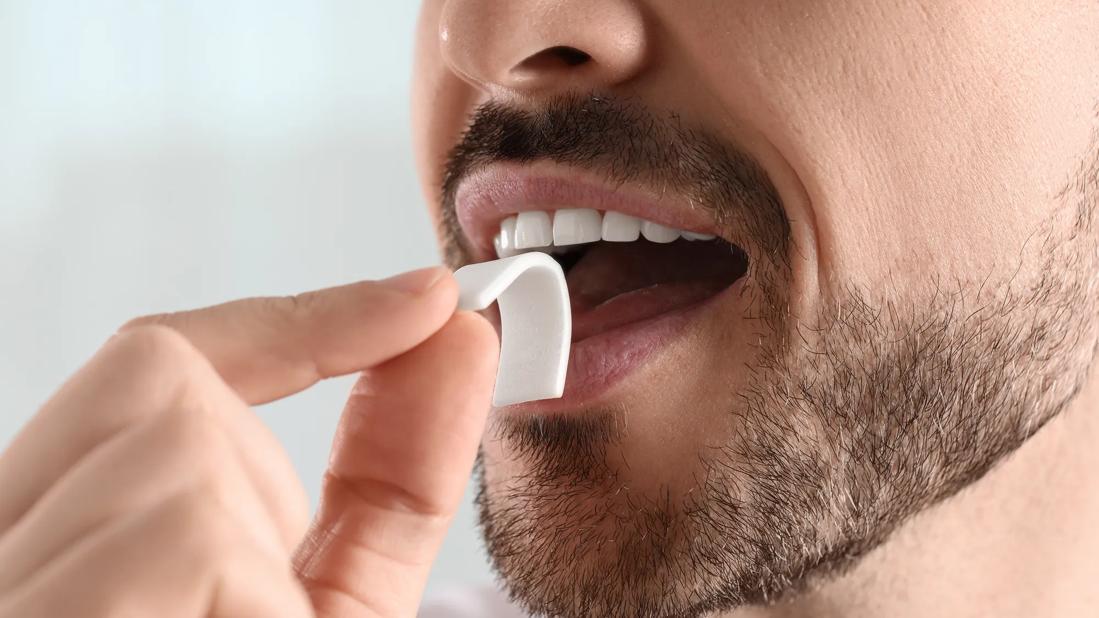
Image content: This image is available to view online.
View image online (https://assets.clevelandclinic.org/transform/0c26acd6-e5e9-4d6a-8056-31d2d1fc70bd/person-eating-gum-1802827939)
Person placing a stick of gum in their mouth
Garlic bread at dinner? A few too many cups of coffee? Sometimes, the source of bad breath isn’t a mystery. But if people tend to lean back when you lean in, popping a mint may not be enough to fix it.
Advertisement
Cleveland Clinic is a non-profit academic medical center. Advertising on our site helps support our mission. We do not endorse non-Cleveland Clinic products or services. Policy
Bad breath, also called halitosis, can have a number of causes. Often, bacteria, food debris and dry mouth are to blame. Other times, it can be a clue that something else is going on with your health.
What can you do about it? Dental hygienist Jasmine Girn, RDH, explains how to fix bad breath — in the moment and for the long haul.
Bad breath can be embarrassing, and it’s only natural to want to find a fix.
Here are Girn’s tried-and-true solutions for fighting funky breath, including what to do in the moment and how to address the problem long term.
Tuna salad sandwich following you to your afternoon meeting? When you’re in a bad-breath bind, a quick run to the sink to brush your teeth can make a big difference. If that’s not an option, these quick fixes can help:
Advertisement
Gum, mints and mouthwash can make your mouth feel fresher. But Girn points out that masking bad breath and addressing the source of the smell aren’t the same thing.
If bacteria, plaque or bits of food are causing your bad breath, you need to physically remove them. And that starts with building healthy dental hygiene habits. Here’s what to do:
Bad breath isn’t always a matter of a pungent meal or less-than-stellar hygiene. If your breath is consistently making you self-conscious, there may be something else going on behind the scenes.
If you’re in a constant battle with bad breath, here’s what can help:
Advertisement
“If you’re doing all the right things and you’re still noticing bad breath, you don’t want just to keep masking it,” Girn advises. “You want to get to the source.”
So, step away from the mints, and talk with a healthcare provider. Your health — and anyone in talking distance — will thank you.
Advertisement

Sign up for our Health Essentials emails for expert guidance on nutrition, fitness, sleep, skin care and more.
Learn more about our editorial process.
Advertisement

You may not be able to smell your own breath, but a bad taste, dry mouth and other clues can tell you when it may be less than fresh
Expired toothpaste won’t make you sick, but it’s less effective for your dental health
From whitening to sensitivity toothpastes, the best choice depends on your dental needs — but fluoride should always be part of the equation

A variety of OTC products and professional treatments can be effective at removing stains on teeth

Try to brush for at least two minutes twice a day to keep your teeth healthy
Fluoride has the power to make your teeth stronger
Daily oral hygiene goes a long way to keeping your mouth healthy and your smile bright

You might have a sensitive gag reflex — but gagging while brushing can also be a result of certain medical conditions

Hormonal changes, a slower metabolism and muscle loss can make weight gain more common around menopause — healthy habits can help you manage it

Life-threatening complications include sepsis, stroke, pneumonia and more

Fruity-smelling breath can happen when your body burns fat for energy, and in some cases, can signal a medical emergency
 Search










