Locations:





You may not be able to smell your own breath, but a bad taste, dry mouth and other clues can tell you when it may be less than fresh

Image content: This image is available to view online.
View image online (https://assets.clevelandclinic.org/transform/02a67187-e801-45cb-b32a-4002d855d69c/bad-breath)
Person breathing into their hand to see if they have bad breath
Your co-worker left a buffer seat between you in a meeting. That date went so well, but ended with an awkward fist bump on the sidewalk. Your friend offered you a mint. Again.
Advertisement
Cleveland Clinic is a non-profit academic medical center. Advertising on our site helps support our mission. We do not endorse non-Cleveland Clinic products or services. Policy
Could it be? Do you have bad breath?
You could cup your hand over your mouth, give a huff and breathe it in, but that’s not a reliable test.
“It’s hard to really smell your own breath,” says dental hygienist Jasmine Girn, RDH. “You’re around your own smell all the time, and you can get used to it.”
But if you’re dealing with a case of bad breath, there may be signs. Girn shares some clues to help tell if your breath is to blame.
The most reliable way to find out if your breath smells? Ask someone you trust.
“Most of the time, you won’t be able to tell. You really do need another opinion,” Girn says.
But that can feel uncomfortable. And it’s not exactly a socially acceptable way to strike up a conversation with just anyone.
If you need to know now and your closest people aren’t around to ask, you may be able to find the answer yourself by considering these signs.
You can go nose-blind to the scent of your own breath. But your sense of taste could offer a clue.
A funky taste isn’t proof that you have bad breath. But if your mouth tastes rotten, metallic or sour, it’s safe to assume someone else might be able to smell it.
A bad taste in your mouth may be a good reason to give your oral hygiene some extra attention — and mention it to your dental care provider if it persists.
Advertisement
That bit of spinach between your two front teeth can be easy to spot in a mirror. What’s hiding farther back isn’t so obvious, but it can still affect your breath.
“If you don’t floss regularly, food can stay packed in there for days before you pull it out,” Girn says.
When food gets stuck and hangs around, you might notice an unpleasant smell when you floss. And that may not be the only time. If you’re getting a lot of debris out when you floss at night, chances are it’s affecting your breath during the day, too.
Your saliva helps to wash away food and bacteria. So, when you’re not making enough of it, germs can multiply, leaving you with a perfect environment for bad breath.
If your mouth feels sticky or your saliva is stringy, it might be impacting your breath.
You may be particularly prone to dry mouth if you:
Grab a mirror. Now, open wide and stick out your tongue.
If you see a yellow or whiteish coating — especially toward the back — it could be another clue that your breath isn’t going to pass the sniff test.
Girn explains that bacteria tend to collect on the back of your tongue, leaving a discolored (and smelly) residue.
Sometimes, you don’t need to smell your breath to know the odds aren’t in your favor. If your oral hygiene routine has been lacking, it’s reasonable to assume your breath may be, too.
If it’s been a while since you brushed, you rarely floss or you don’t clean your tongue, sorry to say, but your breath probably shows it.
Poor oral hygiene allows bacteria and food debris to build up. And when they collect on your teeth, other material can stick to your teeth, too. That can leave you with a “fuzzy” feeling on your teeth and a serious case of bad breath.
The same goes for dental problems you haven’t addressed. Cavities, gum disease, and tooth abscesses can trap food and bacteria and contribute to bad breath.
The absolute best way to keep your breath fresh? No surprises here: Once again, practice good oral hygiene.
That means:
Staying hydrated can also help keep dry mouth — and the bad breath that can come with it — at bay.
Advertisement
And, if you’re going to pop a mint or chew some gum to take care of things on the go, choose fresheners made with xylitol. Sugar and other sugar substitutes can worsen the problem.
If you’re keeping up with your oral hygiene and are still in a battle with bad breath, it’s time to kick it up a notch.
“Bad breath isn’t always a matter of oral hygiene,” Girn clarifies. “It can be a symptom of other things going on in your mouth and body.”
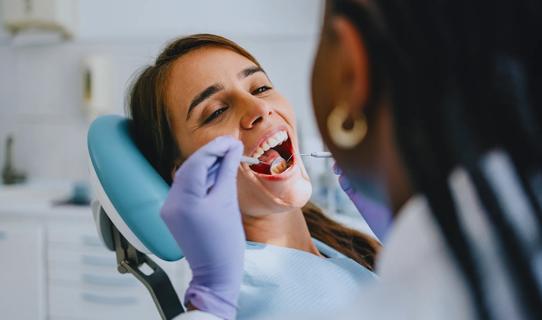
Make an appointment with your dental provider. They can look for issues like gum disease, cavities, trapped food or dry mouth. If it’s not in your mouth, they may recommend seeing another healthcare provider, like a primary care physician, to look for other causes, like acid reflux, diabetes and other conditions.
Advertisement

Sign up for our Health Essentials emails for expert guidance on nutrition, fitness, sleep, skin care and more.
Learn more about our editorial process.
Advertisement
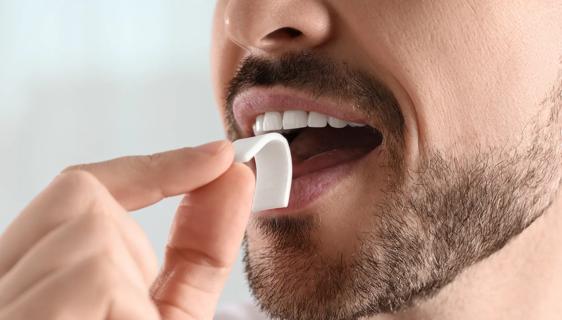
Good dental habits and staying hydrated can help, but persistent bad breath merits professional care
Expired toothpaste won’t make you sick, but it’s less effective for your dental health
From whitening to sensitivity toothpastes, the best choice depends on your dental needs — but fluoride should always be part of the equation

A variety of OTC products and professional treatments can be effective at removing stains on teeth

Try to brush for at least two minutes twice a day to keep your teeth healthy
Fluoride has the power to make your teeth stronger
Daily oral hygiene goes a long way to keeping your mouth healthy and your smile bright

You might have a sensitive gag reflex — but gagging while brushing can also be a result of certain medical conditions

Managing your weight through physical activity may lower your chances of getting this common cancer

It typically starts in October and winds down in early spring, with cases at their highest in the middle of winter

Anxiety disorders, health conditions and past trauma can make driving nerve-wracking — help is available
 Search










