Locations:





 Search
The small red fruit is a good source of potassium and vitamin C — and may support your gut and brain health
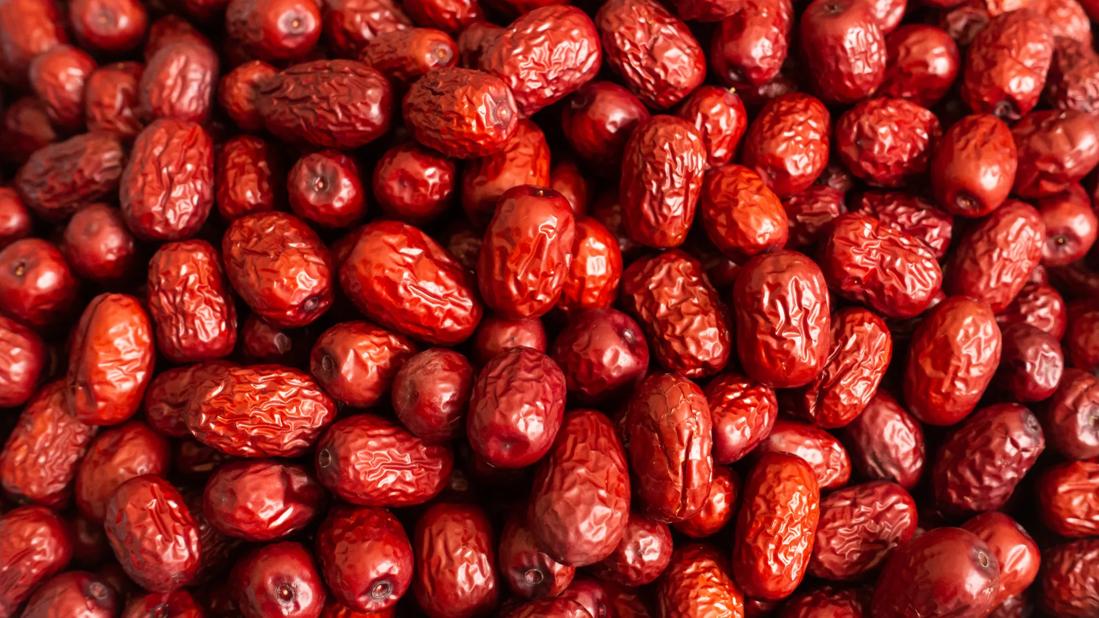
Jujube has long been used in China and other parts of Asia as a remedy for insomnia, anxiety and more. But major scientific research on the fruit’s effects has yet to materialize. Some small studies at the cellular level and in non-human models have shown some promise. But much more is yet to be understood about the health benefits of jujube.
Advertisement
Cleveland Clinic is a non-profit academic medical center. Advertising on our site helps support our mission. We do not endorse non-Cleveland Clinic products or services. Policy
Registered dietitian Julia Zumpano, RD, LD, explains what we do know about the little red fruit.
Not to be confused with those gummy little candies that stick to your teeth (they just happen to share a similar name), jujube fruit is a red- or purple-colored fruit native to China. It’s also widely found in parts of Africa, as well as South Korea, Spain, Greece, Cyprus and Sicily. It goes by the names Chinese dates, red dates or Tsao, too.
Jujube fruit is shaped something like a small, wrinkly pear and has a taste and texture similar to an apple. And like apples, there are hundreds of varieties of jujubes. They range in size: Some are as small as a cherry, while others are closer to the size of a plum. As for taste, that can vary, too — from sweet to tart and anywhere in between.
They can be eaten raw or dried. And while fresh jujubes aren’t readily available in most parts of the United States, dried jujubes can be found online. Dried versions can be used in recipes similar to other dehydrated fruits, like raisins. They work well in jams, breads, dessert fillings and more. Or just mix them with nuts to add some chewy bits to your trail mix.
A 3-ounce (about 100 grams or three to four pieces) serving of dried jujube contains:
Advertisement
The fruit is also a good source of nutrients, like potassium, iron, calcium and vitamin C.
“Dried jujubes provide the same amount of potassium as green grapes and they’re rich in vitamin C — similar to the amounts found in navel oranges and strawberries,” says Zumpano.
The research on jujube is preliminary, and its effects haven’t been scientifically tested in people. Here’s what some of the early research shows and what it may mean.
“Phenolic compounds are chemical components in plant-based foods that can give them certain beneficial health effects,” explains Zumpano.
Phenolic compounds, or phenols, are powerful antioxidants, which means they help fight the effects of free radicals — unstable molecules that can cause damage throughout your body.
Three ounces of jujube are estimated to have between 275 and 541 milligrams of phenols. The next best source is cherries, with about 114 milligrams per 3 ounces.
“We tend to think of cherries as antioxidant superfoods, so to see such a high content of phenols in jujube is pretty significant,” she adds.
Some phenolic compounds have the potential to protect against:
Having high phenolic content stands to reason that jujube could potentially provide these benefits or others. But that’s not a given. More research is needed to understand if its potential actually translates to benefits for human health.
One study demonstrated that jujube could protect against inflammatory bowel disease, like Crohn’s disease and ulcerative colitis. But more research on how it may affect humans is needed.
“Jujube fruit can aid in building a stronger protective lining in the gut, which means it can effectively absorb the nutrients it needs and keep out the bad stuff like pathogens (germs), toxins and undigested food particles,” says Zumpano.
Studies suggest jujube may have effects on preventing or treating anemia (low red blood cells).
“While research in this area seems promising, further research is needed,” clarifies Zumpano.
Another set of studies suggests that jujube may have brain-boosting effects, including improving memory and learning potential.
“Traditionally, one of the main functions of jujube, per herbal medicine, is the benefit to the brain by calming down the mind and promoting learning and memory,” says Zumpano.
Advertisement
Among jujube’s top uses in traditional medicine practices is to improve sleep. The thinking is that some components in jujube may affect your body’s serotonin system. But research is needed to determine how this fruit may impact your sleep.
“We know the importance sleep has on your overall health and well-being, not to mention adequate sleep can reduce your risk for obesity and heart disease,” states Zumpano.
One study looked at jujube’s effects on human cervical and breast cancer cells. The results suggest jujube may hold promise in preventing or treating cancer.
It’s important to note these studies were conducted in isolated cancer cells (think: Petri dishes, not people).
Jujube is safe to eat for most people. But it may interfere with certain medications, including antiseizure medications and antidepressants.
So, talk with your healthcare provider if you use those medications and are looking to add jujube to your menu.
While its early results may be promising, there’s no hard proof that jujube is any more beneficial for your health than similar fruits. And jujube may be hard to find at your average grocery store or even specialty food store — and if you do, they may cost more than other fruits.
Advertisement
For similar nutritional content and texture, Zumpano suggests these alternatives:
But jujube may be a fun alternative to your regular go-tos if you’re looking to switch things up and have the budget for it.
“It comes down to the pros and the cons of nutritional benefits versus accessibility,” Zumpano advises. “You can get a similar amount of vitamin C and potassium from other foods that are more readily available than jujube.”
Advertisement
Learn more about our editorial process.
Advertisement
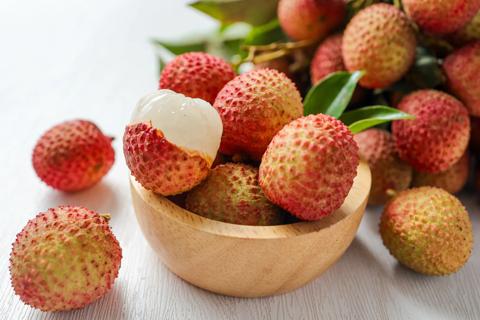
The tropical fruit is a good source of antioxidants and vitamin C

High amounts of cholesterol and saturated fat in red meat may be linked to heart disease

The leaves and pods from this tree are rich in essential nutrients
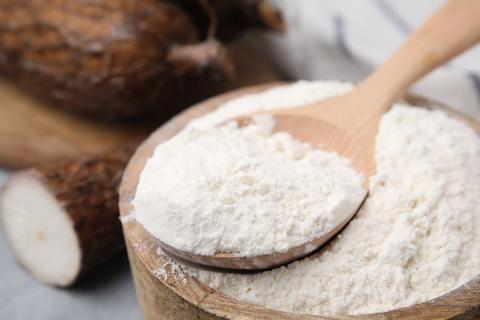
This starchy root vegetable is a staple in many global cuisines — but it has to be prepared correctly, or it can cause serious concerns
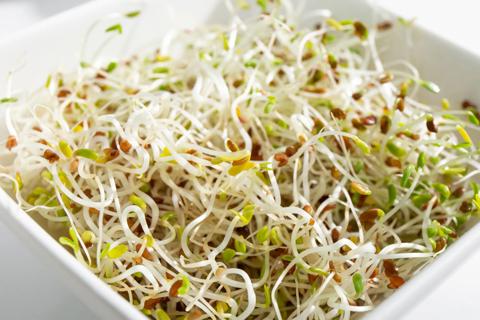
These delicate green sprouts can give you an extra dose of vitamin K and other nutrients — but they’re not safe for everyone
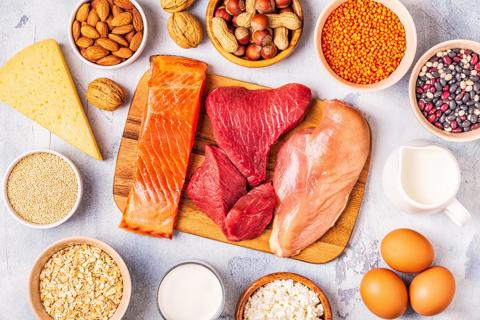
Edamame, lentils and chicken breast are good sources of protein
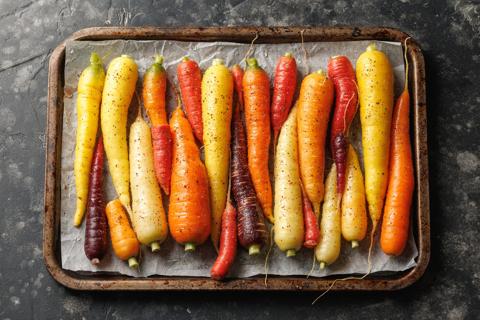
Eating this root vegetable can help support your eye, heart and brain health
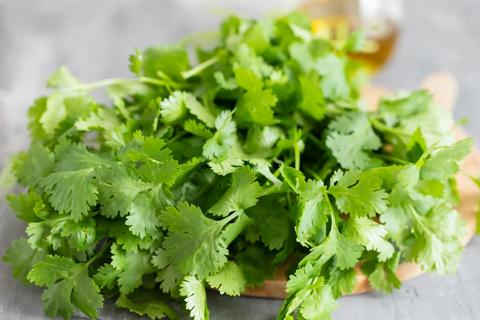
The flavorful herb is full of antioxidants that may help regulate blood sugar

Wearing a scarf, adjusting your outdoor activities and following your asthma treatment plan can help limit breathing problems

Your diet in the weeks, days and hours ahead of your race can power you to the finish line

When someone guilt trips you, they’re using emotionally manipulative behavior to try to get you to act a certain way











