Locations:





Matcha delivers antioxidants and other plant compounds in a concentrated form that may support your heart, brain and more
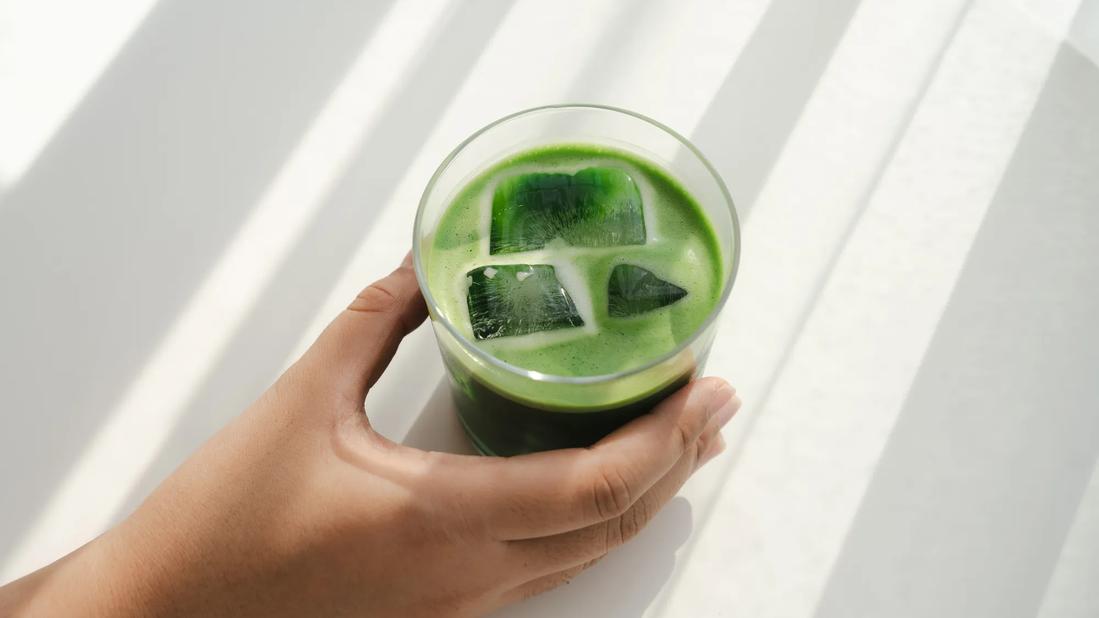
Image content: This image is available to view online.
View image online (https://assets.clevelandclinic.org/transform/da20e849-19f8-43e0-942f-b8e5be7004be/matcha-2257009207)
Hand reaching for a glass of iced matcha
Matcha transformed seemingly overnight into a social media darling, bringing a shareworthy splash of color to everything from lattes and smoothies to cakes and ice cream.
Advertisement
Cleveland Clinic is a non-profit academic medical center. Advertising on our site helps support our mission. We do not endorse non-Cleveland Clinic products or services. Policy
But this finely ground green tea powder is more than just eye candy.
“Matcha packs a pretty fierce nutritional punch,” says registered dietitian Julia Zumpano, RD, LD.
Matcha is a type of green tea made by grinding specially grown green tea leaves into a fine powder. Matcha has a vibrant green color, smooth texture and earthy, savory flavor.
Matcha comes from the leaves of the Camellia sinensis tea plant. That’s not to be confused with blue matcha, which isn’t technically a tea. Blue matcha is a powder made from the leaves of the butterfly pea plant.
Like other forms of green tea, matcha is rich in several compounds that have been linked to a variety of health benefits. But the way matcha powder is made gives it a leg up on your typical cup of tea.
“Unlike traditional tea, where you steep the leaves and throw them away, matcha uses the entire leaf,” Zumpano explains. “That means you get a higher concentration of many of the nutrients naturally found in the plant.”
Let’s take a look at some of matcha’s perks.
One of matcha’s biggest claims to fame is its antioxidant content.
Antioxidants help protect your cells from damage caused by unstable molecules called free radicals, which can cause inflammation. Over time, a healthy lifestyle, including a diet rich in antioxidants, can help keep inflammation in check and lower your risk of chronic disease.
Advertisement
Polyphenols are a type of antioxidant that’s abundant in matcha. Research has linked these plant compounds to better cardiovascular health.
“Polyphenols have been connected to healthier blood vessels and improved metabolism while lowering inflammation,” Zumpano says. “A diet rich in polyphenols can be an important piece of an overall heart-healthy lifestyle.”
You’ll also find polyphenols in a range of plant-based foods — from apples and broccoli to olive oil and whole grains.
Matcha naturally contains both caffeine and the amino acid L-theanine.
That combination is unique. More research is needed on the benefits of L-theanine, but some reports suggest it can help promote calmness and focus. But caffeine, as we well know, increases alertness.
“Together, those properties may help you feel more awake without the jittery feeling you can get from a cup of coffee, an energy drink or other forms of caffeine,” Zumpano notes.
Research also suggests that the antioxidants and plant compounds in green tea may also support your brain health and memory.
More research is still needed to understand exactly how much matcha contributes to those benefits, but it’s one reason researchers continue studying green tea.
For most healthy adults, enjoying matcha daily can be part of a healthy diet. But moderation matters.
For starters, matcha naturally contains caffeine — roughly as much as you’d find in a shot of espresso, depending on how it’s prepared. That’s much more than many other green or black teas.
“Because L-theanine may soften some of caffeine’s stimulating effects, you may not realize just how much caffeine you’re consuming,” Zumpano points out.
Also, pay attention to what else is in your matcha drink or treat. Matcha lattes, blended drinks and baked goods often contain high amounts of sugar. Some matcha drinks at your local coffee shop may have 20 to nearly 50 grams of sugar.
To put that in context: The American Heart Association recommends no more than 25 grams of sugar per day for women, or 36 grams for men.
One other tip: Dairy can lower some of matcha’s antioxidant activity. For the best benefit, mix your matcha with water or a plant-based milk.
Matcha can be a healthy addition to your routine, especially if you’re looking for another way to enjoy the benefits of green tea. Just remember to read nutrition labels and consider matcha as just one part of an overall healthy eating pattern — not as a cure-all in a cup.
Advertisement
“While no single food can prevent disease or replace an overall healthy diet, matcha’s nutritional profile makes it a good addition to help support your health,” Zumpano says. “Just pay attention to what’s actually in it and how much you’re having.”
Advertisement

Sign up for our Health Essentials emails for expert guidance on nutrition, fitness, sleep, skin care and more.
Learn more about our editorial process.
Advertisement

This caffeinated South American tea contains antioxidants and other nutrients that may offer some health benefits
Matcha is one of the most versatile flavors out there — the grade you choose depends on how you want to use it
Different teas offer different health benefits — but they all bring something to the table
This herbal drink may ease allergies and boost prostate health
Catechins (antioxidants) in green tea help fight inflammation and diabetes, while improving memory and heart health
This subtly minty beverage can help balance hormones and loosen stiff joints
Weeds be gone! This tea contains lots of antioxidants and may help reduce inflammation

Flavonoids in black tea are good for your health, helping prevent strokes and heart disease

Hormonal changes, a slower metabolism and muscle loss can make weight gain more common around menopause — healthy habits can help you manage it

Life-threatening complications include sepsis, stroke, pneumonia and more

Fruity-smelling breath can happen when your body burns fat for energy, and in some cases, can signal a medical emergency
 Search










