Locations:





This brightly colored spice can help fight inflammation and even improve your memory
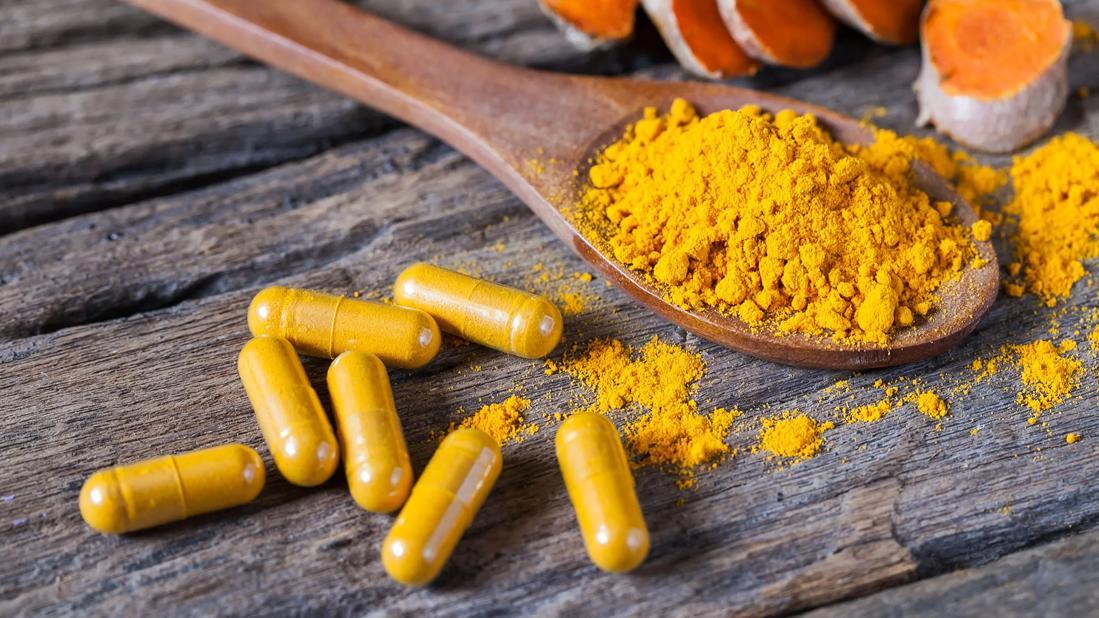
Image content: This image is available to view online.
View image online (https://assets.clevelandclinic.org/transform/1a812223-14e8-4fa4-bf79-7cd5b780cc05/tumeric-powder-pills-977451788)
Turmeric powder in wooden spoon, along with turmeric capsules and roots on wood
Not familiar with turmeric? While you might not have a bottle of the spice in your cupboard, it’s likely you’re already acquainted. It’s what gives mustard and curry their vibrant golden hues.
Advertisement
Cleveland Clinic is a non-profit academic medical center. Advertising on our site helps support our mission. We do not endorse non-Cleveland Clinic products or services. Policy
Turmeric is a spice that comes from the root of the Curcuma longa plant, which is part of the ginger family. Its major active ingredient is curcumin. “Curcumin is what gives turmeric that bright, yellow color,” says registered dietitian Amber Sommer, RD, LD.
“It’s one of the main ingredients in a curry sauce — it has a pungent, slightly bitter and very earthy flavor,” she adds. “Turmeric is what gives curry that distinct smell and taste.” You can buy the ground spice from many supermarkets and spice retailers, or you can buy the fresh root and store it in an airtight container in the refrigerator.
But turmeric does more than just add a pop of color and taste. The curcumin in turmeric also delivers antioxidants and has anti-inflammatory properties.
Sommer discusses turmeric’s many benefits and shares advice on how to incorporate turmeric into your daily life.
The spice, which is easy to add to smoothies, teas and curries, shows promise when it comes to the following health benefits.
Turmeric may be beneficial for chronic conditions where inflammation starts to affect tissues in your body.
In a 2016 study, people with ulcerative colitis who took 2 grams of curcumin a day along with prescription medication were more likely to stay in remission than those who took the medicine alone.
Advertisement
“It won’t necessarily help during an active flare-up, but it may help prolong remission,” Sommer clarifies.
“Studies have also shown that turmeric may reduce joint inflammation and pain associated with osteoarthritis,” she adds.
A certain amount of turmeric could even boost your brain health. A 2018 study showed that 90 milligrams of curcumin taken twice a day for 18 months helped improve memory performance in adults without dementia.
“Researchers thought that the reduction in brain inflammation and curcumin’s antioxidant properties led to less decline in neurocognition, which is the ability to think and reason,” Sommer explains.
“Curcumin may also have a role in preventing the development of Alzheimer’s disease; however, that’s an area where we need more research,” she notes.
Free radicals can cause many issues, from skin damage to cancer. The best way to fight against free radicals is through antioxidants, which turmeric has plenty of.
A 2007 study showed that turmeric may help neutralize free radicals in your body and improve your overall health. And a 2019 study found that turmeric’s antioxidant effects may stimulate the action of other antioxidants and help fight oxidative stress in your body.
Thanks to its ability to help reduce inflammation and oxidation, turmeric may lower the risk of heart disease.
A study from 2012 followed 121 people who had coronary artery bypass surgery. A few days before and after their surgery, the group that took 4 grams of curcumin a day saw a 65% decreased risk of having a heart attack in the hospital.
Turmeric may also be helpful when used along with medication for managing cholesterol levels. A review from 2017 shows that curcumin is safe and may protect those at risk for heart disease by lowering certain levels of cholesterol — though more study is needed to look at how much and what type is effective.
According to a study from 2008, curcumin may also increase levels of serotonin and dopamine, which are chemicals in your brain that regulate mood and other body functions.
A 2019 study found that curcumin could help reduce cancerous cell growth and metastasis (spread of cancer). Evidence from studies like this one also shows that curcumin could help in cancer prevention, specifically, cancers that affect your digestive system.
How much turmeric you should take daily depends on your overall health. If you’re taking supplements, your doctors may suggest 500 milligrams of turmeric twice daily with food. (But more isn’t always better, so be sure to talk to your healthcare provider before adding any supplements to your routine.)
Advertisement
“It’s safe to take up to 8 grams per day, but my recommendation would be somewhere on the lighter side: 500 to 1,000 milligrams a day for the general population,” says Sommer.
For optimal absorption, try taking turmeric with heart-healthy fats like oils, avocado, nuts and seeds, she adds.
If supplements aren’t your style, you can also get a good amount of turmeric from certain condiments or by simply using the spice in your food.
Advertisement

Sign up for our Health Essentials emails for expert guidance on nutrition, fitness, sleep, skin care and more.
Learn more about our editorial process.
Advertisement
This East Asian and subtropical fruit is packed with delicious nutrition

This caffeinated South American tea contains antioxidants and other nutrients that may offer some health benefits

Lean meats, fish, dairy and plant proteins can help you meet your protein needs without piling on saturated fat and sugar

Choosing snacks with protein can help curb hunger, support muscle health and keep your energy steady between meals

Fish packs plenty of protein, heart-healthy fats and other body-boosting nutrients into every bite

Both are healthy choices, but wild-caught salmon offers a few more benefits
These bright berries are packed with nutrients and antioxidants that may support your eyes, immune system and overall well-being

The general rule is 1.2 to 1.6 grams of protein per kilogram of body weight — but that may not be exactly right for you

Hormonal changes, a slower metabolism and muscle loss can make weight gain more common around menopause — healthy habits can help you manage it

Life-threatening complications include sepsis, stroke, pneumonia and more

Fruity-smelling breath can happen when your body burns fat for energy, and in some cases, can signal a medical emergency
 Search










