Locations:





 Search
Water therapy can provide relief from pain
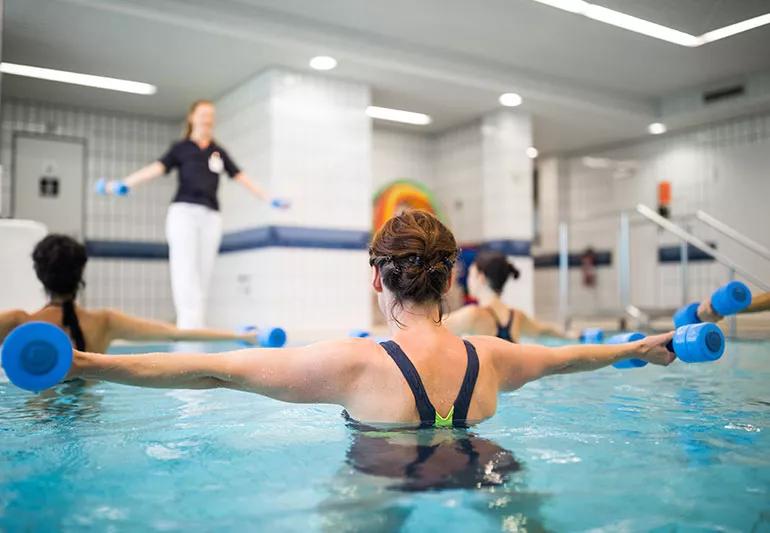
Image content: This image is available to view online.
View image online (https://assets.clevelandclinic.org/transform/5d388173-aeec-4e80-a78d-de35c267f08e/Hydrotherapyl-869882664-770x533-1_jpg)
An instructor leads a water aerobics course as the students lift small dumbbells in a pool.
Water is essential for our everyday life. From drinking it and using it to bathe, water helps us stay healthy and helps treat disease. Hydrotherapy, also known as aquatic therapy or water therapy, is the practice of using water as therapy. There are many ways hydrotherapy can be used — and both hot and cold water offer different benefits.
Advertisement
Cleveland Clinic is a non-profit academic medical center. Advertising on our site helps support our mission. We do not endorse non-Cleveland Clinic products or services. Policy
Integrative medicine physician Irina Todorov, MD, explains how hydrotherapy works and its benefits.
Water has many properties that make it a good form of therapy. Hydrotherapy can treat different diseases and illnesses. It can also be used as a form of relaxation and to support your health.
“Hydrotherapy is using water in different ways to affect the body,” says Dr. Todorov. “It could be through immersion in water — a soaking bath or steam bath.”
Part of the beauty of hydrotherapy is that it can involve any form of water, like ice, liquid or steam. Plus, it can carry heat and energy and dissolve other substances like minerals and salts.
Whether it’s using a cold compress on a sprained ankle or taking part in a group water aerobics class, there are many different forms of hydrotherapy. Here are a few of the most common:
Advertisement
Hydrotherapy can be used to treat a variety of conditions. Studies show that aquatic exercise is more beneficial and efficient than land exercises for those who have obesity. Using aquatic exercise can help burn more calories with less fatigue.
“Obesity usually comes with joint pain,” says Dr. Todorov. “Aquatic exercises are a good option because there’s no gravity and individuals can do exercise much longer with less joint pain.”
Here are other conditions and illnesses that hydrotherapy can help treat:
Should you use cold water or warm water? You’ve probably used one or the other to treat injuries or ailments.
“When you have an injury like a sprain, it is recommended to use a cold compress because it causes the arteries to constrict and can decrease pain,” says Dr. Todorov. “But if we want something to heal like chronic back pain, you want a warm immersion because it causes muscle relaxation and can improve healing.”
Cold water benefits include:
Warm water benefits include:
There’s a lot of reasons to try out a form of hydrotherapy. It can improve your range of motion, help with depression and anxiety and even provide some great social benefits if you’re participating in a group or class.
If you don’t have access to a pool or sauna, even just taking a bath can have its perks, says Dr. Todorov.
“Sitting in a bath with some aromatherapy like chamomile or lavender for relaxation can be a great form of self-care,” she says.
Advertisement

Sign up for our Health Essentials emails for expert guidance on nutrition, fitness, sleep, skin care and more.
Learn more about our editorial process.
Advertisement

Early research suggests this auriculotherapy technique may help with pain, insomnia and more

From hydration to meditation, little changes can yield big benefits

The safety risks outweigh any potential benefits these products may offer
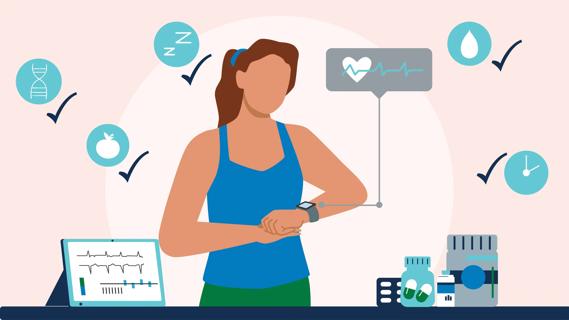
Practices range from simple lifestyle changes to extreme experiments — and not all approaches come with the same level of risk
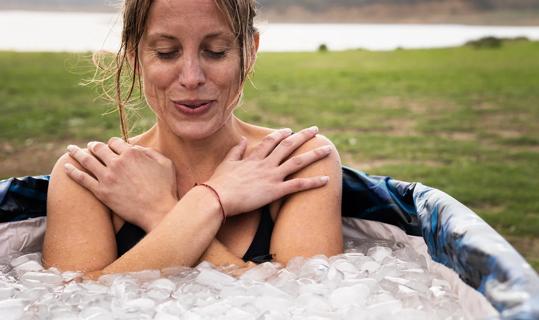
Cold-water immersion offers benefits like sore muscle relief, but the therapy comes with risks, too

These wearable devices can help you understand your body and stay active — but how you use them matters most
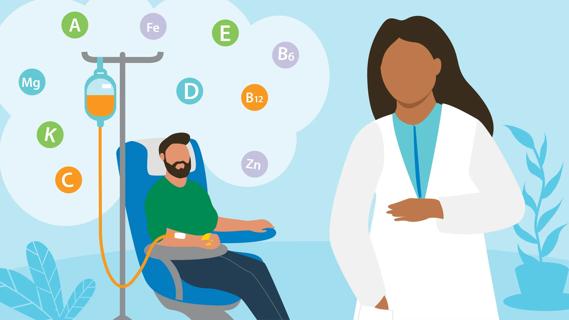
The process delivers nutrients quickly and efficiently, but research is limited on many claimed benefits

Different types of yoga poses, meditation and breathwork may help you feel more emotionally balanced
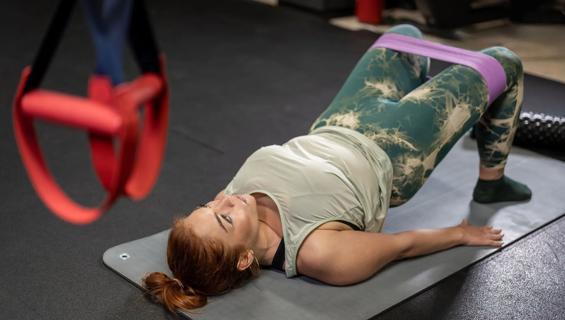
Glute bridges are simple bodyweight exercises worth adding to any workout

Cancer that’s spread beyond the prostate is considered ‘advanced’

The best choices are high in omega-3s and protein and low in mercury











