Locations:





 Search
Explanations for feeling queasy after you eat can range from simple to more serious health issues
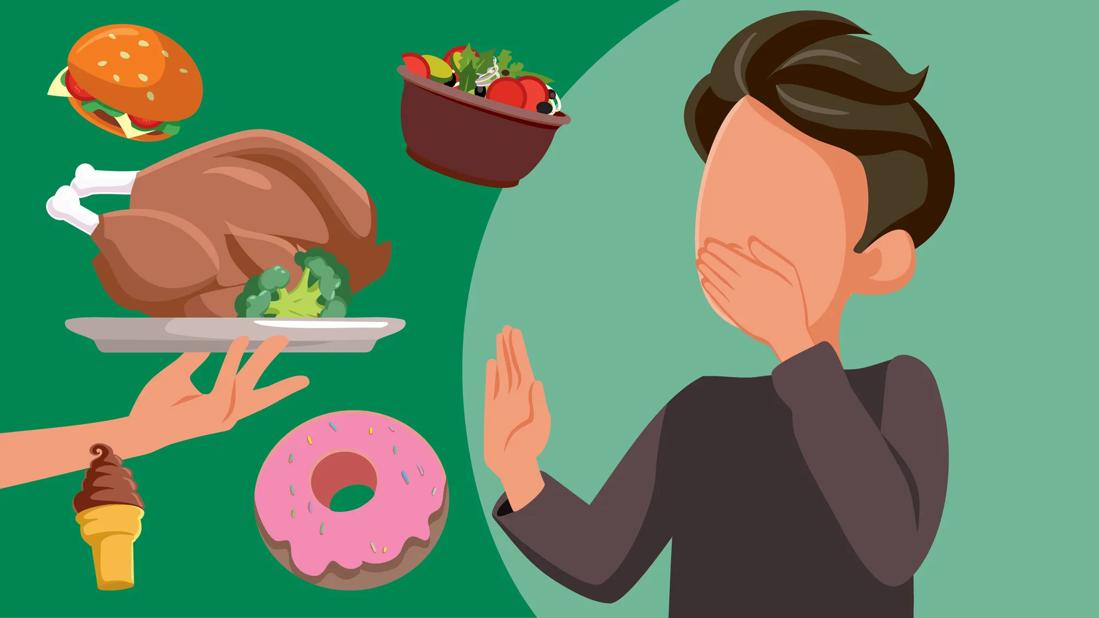
Image content: This image is available to view online.
View image online (https://assets.clevelandclinic.org/transform/06865528-6ce2-46c5-a4de-d25e5d9b28bd/food-nausea-2158191249)
Person holding hand over mouth, waving off different foods being presented
Your taste buds couldn’t be happier after that fabulous meal. Your tummy, on the other hand, is beginning to churn with displeasure. Clearly, something sinister is taking place deep within your gut.
Advertisement
Cleveland Clinic is a non-profit academic medical center. Advertising on our site helps support our mission. We do not endorse non-Cleveland Clinic products or services. Policy
So, what could kickstart nausea after eating in the minutes or hours after setting down your fork? Let’s discuss possible reasons for your queasiness and find some solutions with gastroenterologist Christine Lee, MD.
If you’re looking for a clear and simple explanation for nausea after you eat … well, you’re about to be disappointed. Many different things can trigger that feeling. There’s no simple answer, says Dr. Lee.
There’s a long list of possible causes, but here are 12 reasons you could feel suddenly sick to your stomach after eating.
A viral or bacterial infection can become a whole-body experience with symptoms such as fever, muscle aches and joint pain. But let’s be honest here: There’s a reason why it’s often called a “stomach bug.”
Infection can lead to inflammation in your gastrointestinal system that triggers nausea when food hits. Symptoms often start soon after eating. (“It can come on quickly and linger for several days to weeks,” notes Dr. Lee.)
The good news? Feelings of nausea generally resolve with time.
Food can go bad if left out too long — and if you eat it, that’s bad news for your gut.
Eating spoiled food can bring on a VERY physical response that includes nausea, vomiting or diarrhea. Food poisoning can also be caused by eating food that’s been contaminated during preparation.
Advertisement
Hard as it is to believe, this sudden expulsion out of either end of your body is a good thing. “It’s your body’s way of getting rid of the offending agents or toxins,” explains Dr. Lee.
Most of the time, food poisoning symptoms set in quickly and pass within a day or so.
Your stomach can only hold so much. “Once your stomach is full and food is sitting there, you’re going to feel nausea if you continue to eat,” says Dr. Lee.
This sort of nausea can occur when you “eat bored” and mindlessly reach for snacks. This could happen when watching a game on TV, hanging out at a party or just getting caught up in the whirlwind of life.
“There’s so much distraction when we live busy lifestyles, so more and more people are grabbing things on the go,” she notes. “That can make it more difficult to control what we’re eating, when we’re eating or how much we’re eating.”
To avoid this, try sticking to an eating routine and setting aside time to have regular meals. It’s also helpful to plate your food instead of eating directly out of a bag or box to maintain portion control.
Stress and anxiety can bring physical reactions like feeling queasy after eating. The reason? Your brain’s “fight-or-flight” response revs up and dumps hormones into your bloodstream that force your body to react, explains Dr. Lee.
It doesn’t have to be a huge life stressor to bring on nausea either. Seemingly minor matters — like getting scared watching a horror flick — can throw a stomach out of whack for some people.
Spicy foods or a greasy, heavy meal can wreak havoc on your stomach — and the resulting heartburn (acid reflux) can leave you with nausea.
The burning sensation that heartburn brings to your upper chest is the result of stomach acid that splashes back up into your food pipe. (Just thinking of that is enough to make you feel nauseated, right?)
Certain medications may affect your appetite and lead to nausea, shares Dr. Lee. The list includes:
If you’re allergic to a certain food, consuming it can bring a swift (and sometimes dangerous) response from your immune system. It’s your body’s natural reaction to what it views as a threat.
This response can lead to nausea, in addition to other symptoms, like a rash, difficulty breathing or increased heart rate, says Dr. Lee.
If you have irritable bowel syndrome (IBS), your intestines sometimes won’t move food through in the best way. It might go too slow. It might go too fast. Either way, it can cause nausea and pain in your belly.
Advertisement
Blood sugar that spikes too high or drops too low — both common with diabetes — can lead to nausea after eating, according to Dr. Lee.
If you’ve had a long history of diabetes, you can also develop what’s called “diabetes-related gastroparesis” (previously referred to as diabetic gastroparesis). This means your stomach doesn’t operate and move the way it should, which can trigger nausea after meals.
Your gallbladder helps you process greasy and fatty foods by releasing stored bile to break it down. But if you have gallbladder disease, this process can be disrupted and lead to nausea 15 to 20 minutes after a meal.
Your pancreas goes to work creating enzymes to break down food every single time you eat. But if the organ has inflammation from pancreatitis, it might not create enough enzymes to get the job done.
“Disorders of the pancreas can result in nausea, as well as abdominal pain, diarrhea and unexplainable weight loss,” states Dr. Lee.
Mesenteric ischemia (also known as intestinal ischemic syndrome) is an uncommon condition where blood flow to your digestive organs is compromised. It can bring nausea and abdominal pain after meals.
Those who are more at risk for this condition include people who are older with a history of smoking, high cholesterol or vascular disorders like coronary artery disease or peripheral vascular disease.
Advertisement
If nausea sets in after eating a meal, there are things you can do to ease that sick feeling. Dr. Lee suggests:
Occasional nausea is one thing. But if it starts hitting regularly after meals, it’s a good idea to seek answers. Keeping a log of what you ate before getting nauseated and how long it lasted may help with the diagnosis.
“If nausea keeps coming back or fails to improve or resolve on its own, it’s not normal and you should get it checked out,” advises Dr. Lee.
Advertisement

Sign up for our Health Essentials emails for expert guidance on nutrition, fitness, sleep, skin care and more.
Learn more about our editorial process.
Advertisement

Wait a few hours, then start with water or ice chips, graduating to clear liquids and then, soft, bland foods

Seek emergency care for vomit that’s red, black, brown or resembles coffee grounds
The stomach flu, food poisoning and motion sickness can make you vomit and may result in dehydration

Sorry to burst your bubble, but the fizzy drink typically doesn’t contain any real ginger

Throwing up is typically from a stomach bug, but it can also be a sign of other digestive issues

Choosing certain kinds of fish to eat can help keep the mercury to a minimum in your meal

Searching nature for edible items requires training and knowledge to avoid poisonous plants

Grocery shopping with a plan, paying attention to portion sizes and eating at your own pace can all help you put an end to this habit

Gradually increasing your training, choosing proper footwear and listening to your body can help keep shin pain from sidelining your workouts

Self-stimulating behaviors can help you self-regulate or cope with intense emotions

At-home remedies may help calm symptoms and make it easier to relax at bedtime











