Locations:


Options like fatty fish, citrus fruits and sunflower seeds can help keep you well and heal faster
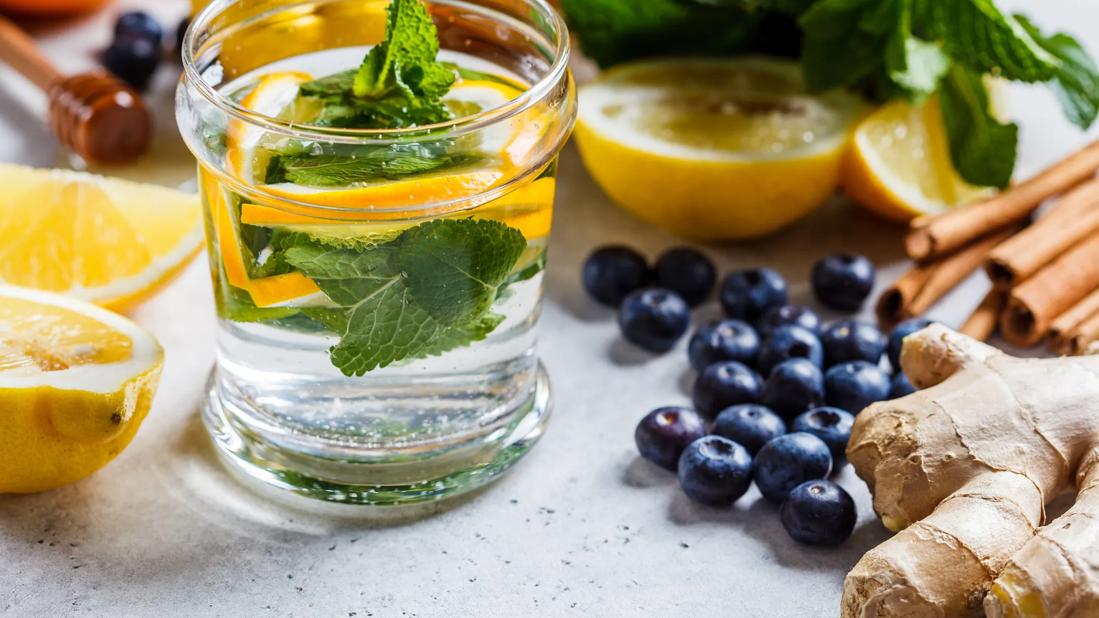
Image content: This image is available to view online.
View image online (https://assets.clevelandclinic.org/transform/6dedb114-ef92-46eb-a69d-f87f8970673e/immune-boosting-foods-1214211738)
Assorted immune boosting foods, with ginger, citrus, blueberries and spinach
When you’re sick, chicken soup and hot tea are likely your go-tos for beating an illness. But can food really make you better? And perhaps more importantly, can food keep you from getting sick in the first place?
Advertisement
Cleveland Clinic is a non-profit academic medical center. Advertising on our site helps support our mission. We do not endorse non-Cleveland Clinic products or services. Policy
“While no single food is a magic cure when you’re sick, eating a healthy diet full of vitamins and minerals that support your immune system can boost your immunity,” says registered dietitian Julia Zumpano, RD, LD. “This can help prevent illness and help you bounce back sooner when you do get sick.”
Zumpano shares foods for boosting your immune system.
Eat more omega-3 fatty acids to keep your immune system in good shape. Fatty fish are a good source of this anti-inflammatory fat, so consider eating:
“Low-grade or chronic inflammation can suppress immune function and increase the risk of disease,” says Zumpano. “This essential fat can support the function of your immune cells.”
You’ve probably guzzled orange juice when you were sick, hoping the vitamin C would work its magic on any germs floating around in your body.
Vitamin C, which may shorten infections by promoting immune cell functions, can be found in most citrus fruits, like:
“Although OJ may sound appealing, it can be pretty high in sugar, especially if it’s not 100% fruit juice,” notes Zumpano. “Instead, consider adding fresh citrus into the mix: lemon, lime or orange slices in your water. You can also add fresh citrus to hot tea, half of a grapefruit as a snack, or a lemon dressing on a salad or to marinate chicken.”
Advertisement
When it comes to fruits that boost your immune system, berries are a good choice. They’re high in vitamin C, and research shows that polyphenols found in berries give them antiviral and antimicrobial properties that positively impact your immune system.
Choose from options like:
“Berries are one of the lowest sugar fruits that contain the most nutrients,” says Zumpano. “They’re a great way to keep your immune system in check all year long.”
You may recall childhood arguments with your parent about eating your broccoli. But it seems they were onto something.
The stalky vegetable is full of vitamins A, C and E. Plus, it’s a good source of fiber. But when it comes to boosting your immune system, you’ll have to thank its sulfur compounds that aid in the production of glutathione.
Research shows that glutathione, an antioxidant, attacks free radicals, reducing their damage to your immune system.
Bell peppers (look for the yellow or red varieties) are surprisingly high in vitamin C — containing about three times as much as an orange.
To get more of the immune-boosting food into your diet, try snacking on some bell peppers or add them to salads and soups, suggests Zumpano.
Advertisement
The leafy green is an excellent source of vitamin A (especially beta-carotene), which is known as an infection-fighter. But spinach also contains a good dose of folate, which may help bolster your immune system.
“Beyond mixing spinach into your salads, you can blend a handful into smoothies or make a heart-healthy spinach artichoke dip,” suggests Zumpano.
When you think of how yogurt and its probiotics help your gut health (keeping it full of good bacteria), it makes sense that eating this dairy-based food may also help your immune system.
Research shows there’s a connection between your immune system and your gut microbiome. They work with each other to minimize pathogens and enhance immune responses.
“But before you go all-in on yogurt, make sure you consider how much added sugar it has and look for brands that use live, active cultures,” cautions Zumpano. “Greek yogurt is always a good bet.”
We tend to reach for a handful of almonds for an easy, healthy snack. But did you know that munching on almonds can also help ward off infections?
“Almonds contain vitamin E, a powerful antioxidant, and as the nut also contains healthy fats, it helps vitamin E to be absorbed by your body,” explains Zumpano.
Advertisement
Just a half-cup serving (or about 40 almonds) will give you the recommended daily allowance of vitamin E.
Like almonds, sunflower seeds can be a good source of vitamin E, a known infection-fighter.
But sunflower seeds also contain the vitamin selenium, which may help your immune system in two ways.
“First, it triggers your immune system when there’s a risk; but second, it also tells your immune system when to slow down, protecting your body from chronic inflammation,” shares Zumpano.
Eating this pungent vegetable comes with plenty of health benefits, like improving your heart health, but it’s also one of the foods that strengthen your immune system.
“Garlic may also boost your immune function thanks to allicin, which is linked to supporting the response of white blood cells that fight the flu or cold viruses,” says Zumpano.
A mainstay in Asian and Indian cuisine, the spice has also been used for centuries in Eastern medicine. And that’s for a good reason — ginger contains vitamin C, magnesium and potassium.
And while you may find yourself using ginger in your baking and wintertime lattes or teas, know that it may also help ease inflammation and nausea in addition to adding a flavor boost.
Advertisement
“Ginger has many health benefits, probably most commonly known as a food that can help with nausea, but ginger also has anti-inflammatory and antioxidant effects,” notes Zumpano.
From curries to golden lattes, turmeric has been a staple in how we eat.
“The spice is touted for its ability to boost the immune system and act as an antiviral,” says Zumpano. “That’s due to the spice’s level of curcumin, which helps lessen inflammation and fights free radicals.”
The typical American diet is full of foods that produce inflammation. And when your body has too much inflammation, your immune system struggles. Consider following an anti-inflammatory diet or even the Mediterranean diet, which is based on eating fruits and vegetables, whole grains and lean proteins.
Zumpano also recommends avoiding trans fats found in commercial baked goods, processed meats and cheeses, and packaged snack foods. You should limit saturated fat found in fatty cuts of meat and full-fat dairy products as well, which is bad for your heart and causes inflammation.
“Eating these immune-boosting foods and limiting ultra-processed foods year-round keeps your body in tip-top shape, so when cold and flu season comes around, you have a one-up on that cold,” she adds. “Remember, the benefits aren’t limited to this list; choose any and all whole foods that you enjoy and have access to.”
Advertisement
As your immune system is your body’s defense against invaders like the flu, it pays to feed it well. The best immunity-enhancing foods, like fatty fish and citrus fruits, are typically available at the grocery store and are easy to work into meals and snacks.
“There’s no doubt that a healthy diet improves your immunity to illness,” reiterates Zumpano. “What you put in your body is important for your overall health, including your immune system.”

Sign up for our Health Essentials emails for expert guidance on nutrition, fitness, sleep, skin care and more.
Learn more about our editorial process.
Advertisement

Supporting your immune system starts with taking care of your overall health — from the foods you eat to your daily habits

Cold, wet conditions can weaken your immune system, which makes it easier for illnesses and infections to spread
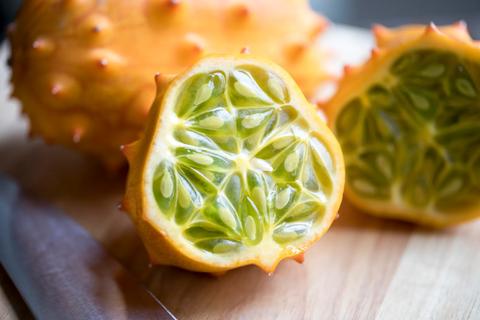
While there’s limited research, the horned melon contains nutrients that may help with your immune system and skin health
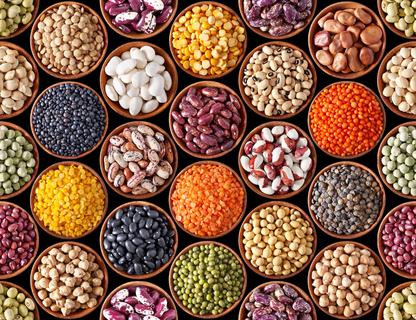
Small, but mighty, they’re nutritional powerhouses with loads of fiber and protein

The plant-based milk may help support heart health and weight management

From ages 1 to 3, toddlers typically need about 19 grams of fiber a day — you can help them get their fill with fresh fruit and whole-grain foods
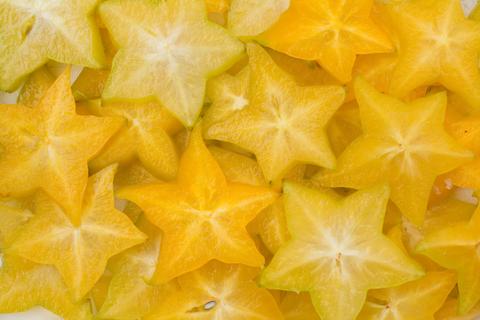
This tropical fruit is a good source of fiber and vitamin C, but it can be unsafe for people with kidney problems
Products like turmeric, fish oil and probiotics blur the line between food and supplements

This low-impact activity could boost your cardiorespiratory health

The advice dates to 1574, but it falls a little short given what we know today

Most tongue pain isn’t too serious, but seek help if it’s severe or lasts longer than a few weeks
 Search