Locations:





 Search
This pairing has long been thought to help your body better absorb iron
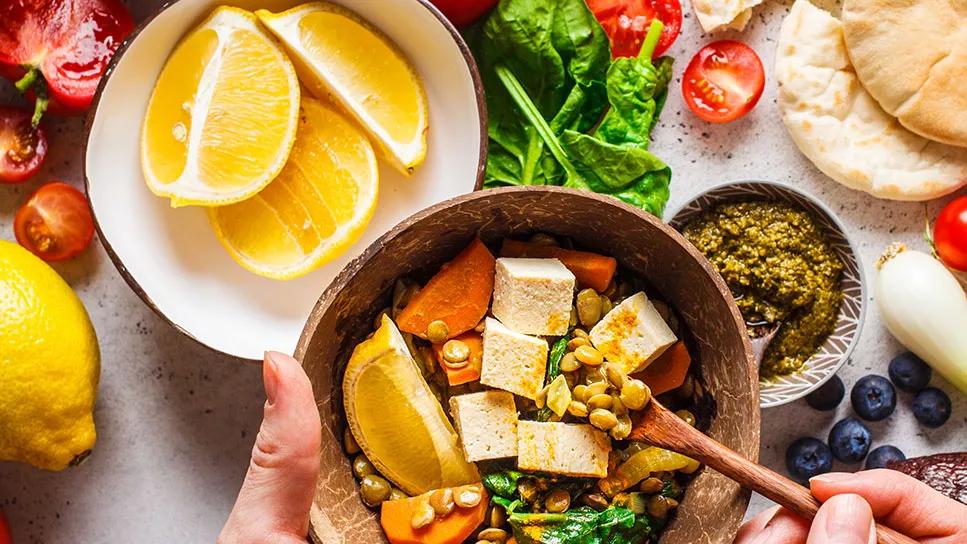
Everyone needs a best buddy. There’s Bert and Ernie, Goose and Maverick, Bill and Ted … and iron and vitamin C!
Advertisement
Cleveland Clinic is a non-profit academic medical center. Advertising on our site helps support our mission. We do not endorse non-Cleveland Clinic products or services. Policy
Remember the song lyrics, “I get by with a little help from my friends”? Vitamin C is the supportive pal that iron needs, helping your body absorb enough iron to keep you healthy.
And that’s pretty important because, well, iron is pretty important. It plays a variety of critical roles, like carrying oxygen in your blood, providing you with energy and improving your brain function. But when your body can’t get enough iron out of the iron-rich foods that you eat, adding vitamin C to the equation (aka your meal) can actually help you better absorb iron.
Lots of foods have iron in them. But there are two types of iron: Heme iron, which is found in animal foods like meat, seafood and poultry, is easier for your body to absorb. Your body has a harder time absorbing non-heme iron, the type found in plant-based foods.
“Some plant foods, like beans or spinach, have non-heme iron in them, but there are other properties of the plant that make that iron less available to us,” says registered dietitian Devon Peart, RD, MHSc.
But vitamin C can help.
“Consuming foods that are high in vitamin C at the same meal with iron-rich plant foods boosts the bioavailability of iron,” she explains. “This means you absorb more of it.”
Advertisement
The scientific explanation for all of this is very, well, scientific and can be difficult to understand if you’re not a scientist or a medical provider. But for nutrition purposes, it’s enough to know that your body sometimes has a hard time absorbing the iron found in plant-based foods — even though that iron is very important to your overall health.
The solution? When you eat an iron-rich food, make sure to pair it with a vitamin C-rich food. Best friends stick together after all!
Foods that are high in vitamin C include:
“If you don’t eat any foods of animal origin, you may have an especially hard time getting enough iron,” Peart warns.
It all goes back to heme versus non-heme iron. Heme iron is easiest for your body to absorb, but it’s found in animal products — and of course, if you don’t eat animal products, you don’t have access to that easily absorbed heme iron.
If you follow a vegan or vegetarian diet or just don’t eat much meat, you have to rely mostly or solely on non-heme iron, which is found in foods like:
Not getting enough iron in your diet can lead to iron-deficiency anemia, a blood disorder that can cause fatigue, light-headedness and other symptoms
“If you’re not getting enough iron, your healthcare provider may recommend dietary changes or an iron supplement,” Peart says. Providers have typically suggested taking an iron supplement with a glass of orange juice because it’s — you guessed it — rich in vitamin C.
But at least one recent study suggests that for people with anemia, pairing vitamin C with iron may not help as much as previously thought. In 2020, a randomized clinical trial of nearly 500 people with iron-deficiency anemia found that taking iron supplements alone was just as helpful as taking iron supplements with vitamin C.
If you suspect that you’re not able to get enough iron in your diet — like if you don’t eat meat and are feeling very lethargic — make an appointment to chat with a healthcare provider.
“Iron supplements can cause digestive upset or constipation, so get guidance from a doctor before you start taking a supplement,” Peart advises.
Most people need 8 to 18 milligrams (mg) of iron daily, though Peart explains that because much of the iron we consume isn’t absorbed, it’s not always that straightforward.
Advertisement
“Supplements might have 26 mg for the daily amount, or even up to 150 mg,” she says, “so people might think they need to supplement with, say, 8 mg, but it would not be enough.”
Instead, it’s always better to get your vitamins and nutrients through food than through supplements. When you eat a plant food that’s rich in iron, focus on pairing it with something that’s high in vitamin C, which will help give your body an assist on absorption.
“If you’re having spinach salad, for example, try sprinkling some lemon juice, or adding vitamin C-rich strawberries, orange segments or red peppers,” Peart suggests. “All of these will help boost absorption of iron from the spinach.”
Here are some other ideas:
Advertisement
Learn more about our editorial process.
Advertisement

Experiencing constant fatigue, shortness of breath and chills could all be signs of low iron
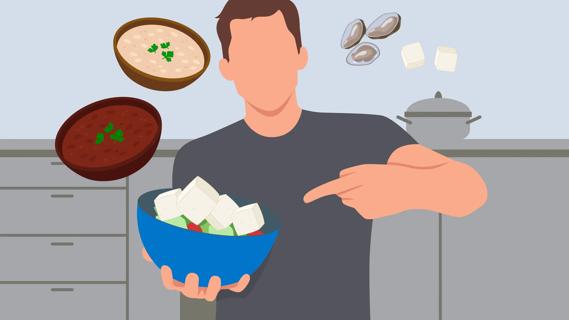
The benefits of iron span your whole body, from your blood and your brain to your immune system and more
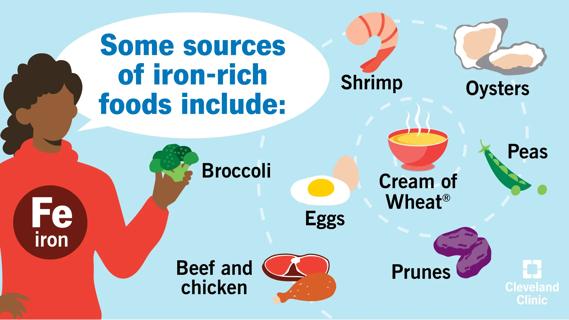
Pump up your iron intake with foods like tuna, tofu and turkey
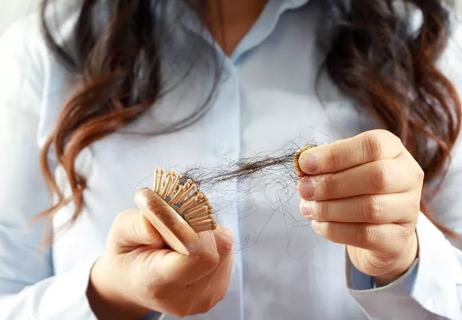
Iron plays a vital role in hair growth and health
The popular skin care ingredient can help smooth, brighten and strengthen your skin
There isn’t enough research to recommend the supplement as a solution for lowering LDL levels
People with PKU need to avoid high-protein foods, like meat, dairy, legumes and whole grains
Olive oil is high in heart-friendly unsaturated fats
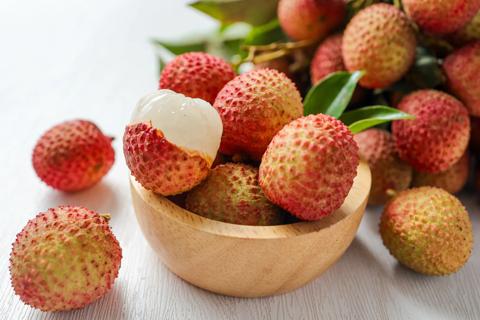
The tropical fruit is a good source of antioxidants and vitamin C

Most people fall asleep within 10 to 20 minutes, but if your experience is different, adjusting your sleep schedule may help

Exploring your hidden side can lead to better understanding of what makes you tick











