Locations:





7 tips for choosing the best pillow to ease neck pain

Image content: This image is available to view online.
View image online (https://assets.clevelandclinic.org/transform/d4567d5b-1faa-4afa-90b2-889d5170d903/pillowHurtsNeck-1191287593-770x533-1_jpg)
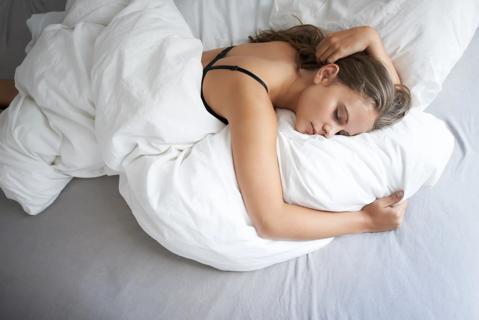
woman with painful neck after sleeping pillow
Is your pillow hurting your neck — and your sleep?
Advertisement
Cleveland Clinic is a non-profit academic medical center. Advertising on our site helps support our mission. We do not endorse non-Cleveland Clinic products or services. Policy
The kind of pillow you choose and how you sleep on it makes a big difference in how rested you’ll feel when you wake up in the morning, according to chiropractor Andrew Bang, DC.
“All the ways you twist and bend during your day leading up to bedtime plays into the process, too,” he says. “Choosing the right pillow, eliminating some common sleeping habits and knowing how to best position yourself in your bed before you hit the hay can help you get your best night’s rest.”
We have so many bad habits during the day that cause neck, back and spine pain. Slouching while working, walking or eating is one. Not to mention constantly looking down at your smartphone or computer can really make your neck ache — a problem that’s been dubbed “text neck” or tech neck.
“Then sleeping on your back with the back of your head on your pillow and your head bent forward will only make the problem worse,” Dr. Bang says. “Sleeping with your chin to chest can overstretch your neck as most of our daily activities are done that way. Sleeping on your side with your head bent drastically isn’t ideal wither. And worse still? Sleeping on your stomach with your head twisted and tilted at odd angles.”
If any of those sound like you, you’re certainly not alone — they’re the most common sleeping positions. And although most of us do them (incorrectly), there’s an ideal pillow and a proper way to sleep that gives your neck and spine proper support for a much better night’s sleep.
Advertisement
The rule of thumb for a proper pillow is that it should keep your neck parallel to the mattress, rather than bent down or up.
“The most common mistake people make is choosing a pillow that bends your neck forward or to one side,” Dr. Bang says. “It can feel comfortable at first, but once you fall asleep for hours and your neck isn’t being supported properly, all kinds of neck problems can happen as you sleep that you may only realize once it’s too late.”
Dr. Bang says neck pain and a stiff neck are most common. Beyond that, you can experience problems with your whole spine twisting the wrong way which over a long time can create lasting damage, he adds.
To avoid these issues here are seven tips he suggests for choosing the most neck-friendly pillow:
Cervical contour pillows work best for most people, he says. Your head rests in a depression in the center. Your neck rests on either a less elevated side when you’re lying on your back, or on a more elevated side when you’re lying on your side.
Foam contour pillows are next best at supporting your neck.
Natural latex offers support without heating you up like memory foam.
“People may not realize that they become hot at night. This can make for restless sleep. By sleeping cooler, you sleep deeper,” Dr. Bang says.
Of course, if you’re allergic to latex, you’ll want to use memory foam pillows.
They may be affordable, but feather pillows don’t provide much neck stability.
“These feel super comfy when you first settle in. But the feathers move when you do, so you wind up with no support, causing you pain,” Dr. Bang says.
Down pillows are somewhat more supportive but still require fluffing up. However, if you’re allergic to animal dander, neither of these fillers will work for you.
“The nice thing about buckwheat pillows is you sleep very cool and a lot of air circulates between the hulls,” Dr. Bang points out.
Buckwheat pillows are also cost-effective, have renewable filler and support your neck when you sleep on your side.
But the hulls make noise as they move during the night, and that support can slip away as it would in a beanbag, he notes.
There isn’t much research that would urge an automatic recommendation for pillows with mixed fillers like memory foam or latex with shredded foam and a gel insert.
“Pillows with too much material jammed in or that remain too fluffy can hold your neck in an awkward position,” Dr. Bang says. Shredded foam can cool you but loses its stability over time if you sleep on your side.
Advertisement
And although memory foam bends to your curves, that doesn’t necessarily mean you’re getting the exact support you actually need. This category may be a trial and error recommendation. If you experience pain after sleeping, it’s best to try another option.
If you’re in the habit of sleeping on your stomach, which isn’t ideal, body and side pillows can improve your sleep posture.
“They provide the pressure on the stomach you’ve grown used to, while keeping you in a side-lying position,” Dr. Bang says.
These pillows can help keep your spine aligned and support your growing belly during pregnancy or if you happen to have large hips.
If you have a firmer mattress, you’ll need a thicker pillow because your shoulder won’t sink into the mattress very much.
“The pillow will need to fill a larger gap between your head and your mattress,” Dr. Bang says.
If you have a memory foam mattress topper or a pillow-top mattress, you’ll need a thinner pillow because your shoulder will sink into the bed.
“The pillow will need to fill a smaller space between your shoulder and your head,” he says.
“Each pillow has its pros and cons. There isn’t one type of pillow that will satisfy everyone’s needs,” Dr. Bang emphasizes. “But these guidelines are grounded in research and can help you find a pillow that’s right for you. Overall, trying to keep your posture in check during the day and choosing a pillow that supports your neck properly at night should help you sleep more soundly — and pain-free. If you continue to have problems, make sure you make an appointment with your chiropractor.”
Advertisement
Advertisement

Sign up for our Health Essentials emails for expert guidance on nutrition, fitness, sleep, skin care and more.
Learn more about our editorial process.
Advertisement

Looking down at your smartphone or computer screen can stress muscles in your neck, shoulders and back

Stretching or applying heat and ice can provide pain relief

Nocturnal emissions are a natural part of growing up and nothing to worry about

There’s limited research on whether the supplement can help you snooze — adopting proven sleep habits may be a better place to start
Head to bed in a bra to reduce breast pain, nipple irritation and stretch marks

At-home remedies may help calm symptoms and make it easier to relax at bedtime

These brief episodes of sleep last only seconds, but they can have serious consequences when they happen at the wrong time

Your chronotype reflects when your body naturally wants to sleep and wake — and why your energy peaks when it does

Hormonal changes, a slower metabolism and muscle loss can make weight gain more common around menopause — healthy habits can help you manage it

Life-threatening complications include sepsis, stroke, pneumonia and more

Fruity-smelling breath can happen when your body burns fat for energy, and in some cases, can signal a medical emergency
 Search










