Locations:





Taking prescribed medicines, prioritizing rest and finding sources of joy can help heal your heart and boost your spirits

Image content: This image is available to view online.
View image online (https://assets.clevelandclinic.org/transform/d209b04b-b3f1-415d-a6e0-eb44623ccb47/photography-outdoors-2222098578)
Person enjoying outdoor photography, in tall grass by a river
Living with recurrent pericarditis isn’t easy. You might be feeling overwhelmed by the diagnosis, exhausted from the symptoms and worried if you’ll ever feel like yourself again.
Advertisement
Cleveland Clinic is a non-profit academic medical center. Advertising on our site helps support our mission. We do not endorse non-Cleveland Clinic products or services. Policy
There’s a lot to think about and so much to carry. But you don’t have to shoulder this unexpected challenge on your own.
Cardiologist and pericardial disease expert Allan Klein, MD, is here to help. Dr. Klein offers guidance to help you navigate this condition and move forward one day at a time.
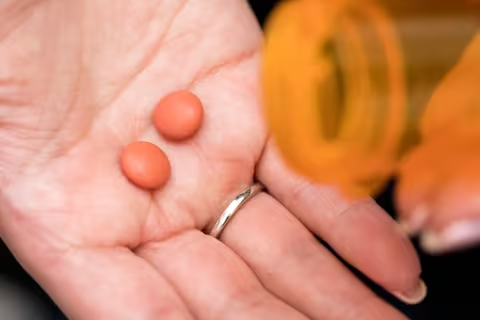
You’ve probably heard it a million times already, but it’s worth shouting from the rooftop: Stick to the medication schedule your doctor gives you.
“Your medications are vital for reducing pericardial inflammation and helping you feel better,” Dr. Klein emphasizes. “Certain new drugs, like interleukin-1 blockers, can treat the acute episode and reduce your risk of recurrences. But they need to be taken exactly as prescribed in order to work.”
It can help to:
When symptoms flare up, the pain and exhaustion might make it hard to even think about your to-do list, let alone tackle anything on it. So, you might naturally rest more simply because it’s impossible to do anything else.
But as you start to feel better, you may be tempted to jump back to your normal routine. But not so fast, urges Dr. Klein.
Advertisement
“Resting lets the pericardial sac recover,” he explains. “Your doctor will talk with you about how much rest you need and when you can gradually get back to your usual activities. Doing too much too soon can slow healing and prolong symptoms.”
Think of rest as a prescribed part of your treatment plan, just like a pill or an injection. It’s just as important.
It can be really hard to stay away from a sport or workout routine you love, especially if you typically exercise to relieve stress. Now more than ever, you’re probably eager to get back to the gym or ballfield. But as you’re recovering from a pericarditis flare, taking it slow is the name of the game.
When you’re physically active, your heart rate goes up. That’s a good thing when you’re training or trying to strengthen your heart. But with pericarditis, your heart already has enough going on. It can’t handle that extra workload right now.
“Early on, you’ll need to keep your heart rate below 100 beats per minute,” Dr. Klein says. “So, that might mean walking the dog or doing some gentle yoga.”
Your provider will let you know when it’s safe to get your heart rate higher. They’ll help you gradually reintroduce exercise without overtaxing your heart.
Recurrent pericarditis can leave you feeling zapped of happiness and enthusiasm. But you don’t deserve to feel that way. Joy might look different from before, but it can still be found, and it can still be yours. Here are some ways you might discover it:
It’s impossible to know what’s going on inside your heart just based on how you feel. That’s why follow-up visits are so important — even when you’re pain-free or feeling more like yourself again. Don’t skip any visits.
Advertisement
“Your doctor will run some tests to check on inflammation of your heart and make sure it’s healing,” Dr. Klein says. “They’ll also talk to you about your medications and any needed changes, like tapering a drug or introducing a new one.”
These follow-ups also give you a chance to share any new or changing symptoms and ask questions. It may help to bring a trusted friend or family member with you. They can help take notes and ask questions you might not have thought of.
A lot can happen between appointments. If you experience a flare, have treatment side effects or just don’t feel right, let your doctor know. They may bring you in for additional testing or adjust your treatment plan.
“Keep the lines of communication open,” Dr. Klein advises. “Recurrent pericarditis can be unpredictable, but your care team is there to help you each step of the way.”
If you’re comfortable doing so, tell friends and family about your diagnosis. This can help them realize how you’re feeling and what you’re going through. They’ll also be more likely to understand when you need to decline an invitation or suddenly change plans.
“Many people are unfamiliar with recurrent pericarditis and how debilitating a flare can be,” Dr. Klein observes. “It’s not like you can simply push through and attend that birthday party. But there’s a real education gap, and it means others may not understand what you’re going through unless you tell them.”
Advertisement
Your healthcare provider will talk with you about which vaccinations to receive (usually not live vaccines) and when. Infections can trigger heart inflammation and make matters worse if you’re already living with recurrent pericarditis. So, getting that boost to your immune system can make common infections like the flu and COVID-19 less hard on your heart.
Your heart has been through a lot. Here’s how to give it some TLC:
Recurrent pericarditis doesn’t just affect your body. It can also take a toll on your emotions and mental health. If you’re feeling sad, lonely or frustrated, reach out for support. This might mean connecting with:
Advertisement
“There are networks of individuals living with pericarditis who want to share their stories and connect with others,” Dr. Klein shares. “Your experiences are unique to you, but you’re not alone. Others are ready to listen and offer advice and resources.”

Sign up for our Health Essentials emails for expert guidance on nutrition, fitness, sleep, skin care and more.
Learn more about our editorial process.
Advertisement
There are several options to reduce inflammation and manage symptoms

These conditions involve inflammation in different areas of your heart, leading to differences in symptoms and treatments

The right mask fit, pressure settings and machine adjustments can help make this treatment more comfortable

RSV is common and may cause serious complications, but there are ways to reduce your and your baby’s risk of serious illness

Don’t underestimate the power of a pause

Boys are more likely to exhibit easily noticed hyperactive symptoms, while girls often show subtler, quieter signs of the condition

While the ADHD medications are similar, variations may make one a better choice over the other for you

Stress affects your physical health more than you may realize, including raising your risk for serious medical events

Managing your weight through physical activity may lower your chances of getting this common cancer

It typically starts in October and winds down in early spring, with cases at their highest in the middle of winter

Anxiety disorders, health conditions and past trauma can make driving nerve-wracking — help is available
 Search










