Locations:





There are several options to reduce inflammation and manage symptoms
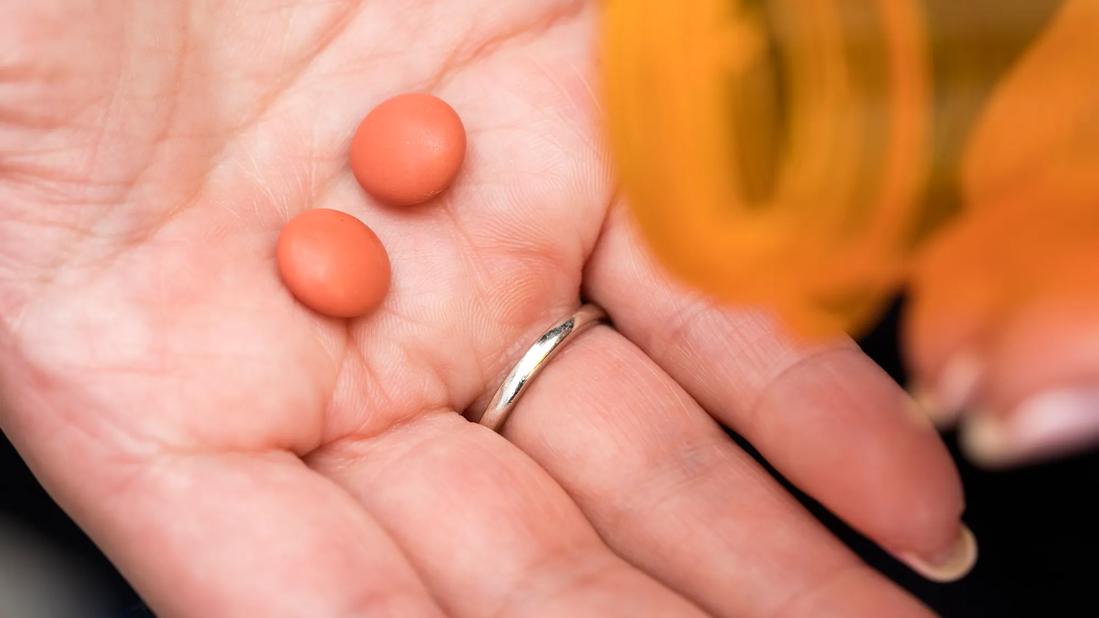
Image content: This image is available to view online.
View image online (https://assets.clevelandclinic.org/transform/0d55bbac-6f11-4d57-abb9-9834bd26e82d/medication-972138560)
Palm of hand with two pills poured onto it from medication bottle
Living with recurrent pericarditis means dealing with flare-ups of acute, sharp chest pains that last for weeks before going away — only to return four to six weeks later. This is a debilitating type of inflammation of the pericardial sac around your heart. And if you’ve been diagnosed with it, you’re likely wondering which medications are available to help.
Advertisement
Cleveland Clinic is a non-profit academic medical center. Advertising on our site helps support our mission. We do not endorse non-Cleveland Clinic products or services. Policy
Cardiologist and pericardial disease expert Allan Klein, MD, describes the treatment landscape and shares what’s on the horizon.
Anti-inflammatory medications are a mainstay of recurrent pericarditis treatment. “These medications reduce the pericardial inflammation, in turn, relieving your symptoms and lowering your risk of complications,” Dr. Klein explains. “Getting the inflammation under control can also help prevent future flares.”
Many different meds fall under this umbrella. Dr. Klein outlines the types that doctors prescribe most often for recurrent pericarditis.
Nonsteroidal anti-inflammatory drugs, or NSAIDs for short, are on the frontlines of recurrent pericarditis treatment. These medications block your body from making certain chemicals called cyclooxygenase (COX) enzymes, which are involved in making prostaglandins that cause inflammation. Dr. Klein notes that common choices for recurrent pericarditis include:
“Your doctor may select aspirin over ibuprofen if you also need it for another reason, like managing coronary artery disease,” he adds.
You’ll likely start with a higher dose, like 800 milligrams of ibuprofen taken by mouth three times a day. The dose is gradually tapered as symptoms improve and tests show inflammation going down. Typically, for your first recurrence after an acute episode, you’ll need to take an NSAID for weeks to several months.
Advertisement
Your doctor may also prescribe a proton pump inhibitor for you to take over the course of your treatment. This drug helps protect your stomach against stomach ulcers, which are a side effect of long-term NSAID use.
Providers often prescribe colchicine (an anti-inflammatory also used to treat gout) along with an NSAID as first-line therapy for recurrent pericarditis. “We use these drugs together to treat acute episodes and also recurrences,” Dr. Klein notes.
When colchicine joins forces with an NSAID, you have even more anti-inflammatory power on your side. This dynamic duo also helps prevent recurrences.
You can expect to take colchicine for at least six months when managing recurrent pericarditis.
If NSAIDs and colchicine, along with exercise restrictions, aren’t enough, and you have multiple recurrences, your doctor may add interleukin-1 blockers to your treatment plan. These are also called IL-1 blockers or anti-interleukin-1 agents. Specific drug names in this category include rilonacept and anakinra.
“These medications work by blocking inflammatory factors, like interleukin-1 alpha and beta, at the cellular level,” Dr. Klein explains. While NSAIDs and colchicine are pills you swallow, IL-1 blockers are injections. You get them subcutaneously (beneath the skin) once a day or once a week, depending on the specific drug.
IL-1 blockers are newer on the scene — and they’re game changers. They can relieve inflammation, improve your symptoms and reduce the number of recurrences you experience. “They should be given ahead of steroids, as shown in a recent American College of Cardiology clinical guidance document,” Dr. Klein references.
Once you’re on an IL-1 blocker, you may stay on it for one to two years. Your doctor may have you gradually wean off the other meds, like NSAIDs and colchicine.
IL-1 blockers are highly effective at treating the acute episode and reducing recurrences. But when you stop taking them, there’s a risk of flares returning. That risk ranges from 40% to 75%.
“For this reason, your doctor will talk with you about the optimal length of treatment in your case, based on your individual level of risk,” he adds.
Commonly called steroids, these powerful anti-inflammatory meds were a key part of recurrent pericarditis treatment for years. They were a second-line treatment if NSAIDs and colchicine weren’t enough. That’s changing thanks to the introduction of IL-1 blockers, which many doctors are now prescribing instead of steroids.
“Nowadays, we try to avoid using steroids to treat recurrent pericarditis because of their side effects,” Dr. Klein explains. “They cause issues like weight gain, cataracts and osteoporosis. So, they’re not the ideal drug in this context, especially for younger adults.”
Advertisement
Providers in the U.S. now prescribe corticosteroids only in select cases, like those linked with underlying autoimmune disease. But the European Society of Cardiology guidelines keep steroids as second-line therapy for practical reasons, including limited availability of IL-1 blockers and cost issues, Dr. Klein points out.
While plenty of medications are currently available to treat recurrent pericarditis, many more are on the horizon.
“There’s been an explosion of clinical trials in this area,” Dr. Klein says. “That means there’s a lot of hope. The treatment landscape may change quite a bit, even in the next few years, as more drugs are approved.”
If you’re interested in taking part in a clinical trial, talk to your doctor. It may also help to seek care at a pericardial disease center, which is a medical center that brings together top experts in the field to treat complex pericardial diseases. There, you can get guidance on the latest medications and other treatments for recurrent pericarditis.
Living with prolonged episodes of chest pain can be exhausting, frustrating and even isolating — but try to remember that you’re not alone.
“Your care team is there to help you each step of the way, whether that’s by prescribing medications, adjusting your treatment plan or simply listening,” Dr. Klein encourages. “We’ll do everything possible to help you feel better and get back to doing what you love.”
Advertisement
Advertisement

Sign up for our Health Essentials emails for expert guidance on nutrition, fitness, sleep, skin care and more.
Learn more about our editorial process.
Advertisement

Taking prescribed medicines, prioritizing rest and finding sources of joy can help heal your heart and boost your spirits

These conditions involve inflammation in different areas of your heart, leading to differences in symptoms and treatments

The right mask fit, pressure settings and machine adjustments can help make this treatment more comfortable

RSV is common and may cause serious complications, but there are ways to reduce your and your baby’s risk of serious illness

Don’t underestimate the power of a pause

Boys are more likely to exhibit easily noticed hyperactive symptoms, while girls often show subtler, quieter signs of the condition

While the ADHD medications are similar, variations may make one a better choice over the other for you

Stress affects your physical health more than you may realize, including raising your risk for serious medical events

Managing your weight through physical activity may lower your chances of getting this common cancer

It typically starts in October and winds down in early spring, with cases at their highest in the middle of winter

Anxiety disorders, health conditions and past trauma can make driving nerve-wracking — help is available
 Search










