Locations:





Manage your sleep apnea and keep your diabetes in check

Image content: This image is available to view online.
View image online (https://assets.clevelandclinic.org/transform/6d43224b-0577-4221-88d6-28a0dcf63989/diabetesSleepApnea-525959910-770x553_jpg)
Overweight man with diabetes snoring in front of TV
By Andrea Harris and Sue Cotey, RNs
Advertisement
Cleveland Clinic is a non-profit academic medical center. Advertising on our site helps support our mission. We do not endorse non-Cleveland Clinic products or services. Policy
Do you snore? Do you feel fatigued every day? Do you wake up frequently throughout the night? It may be that the shallow breathing or breaks in breathing caused by sleep apnea are the reason. If you have diabetes, it is critical to manage your sleep apnea. According to the National Institutes of Health (NIH), approximately 18 million people have sleep apnea, with up to 80 percent of people undiagnosed.
If you have diabetes, sleep apnea can make it more difficult to manage your diabetes. This is because when your breathing pauses while you sleep, there is an increase in carbon dioxide in your blood. This leads to:
Inadequate rest or sleep can also lead to lack of motivation to exercise or plan meals. This often leads to irritability, which can affect relationships with family, friends and coworkers. Sleepiness also can cause people to forget to take their medications and lead to further diabetes complications.
Sleep apnea may be genetically linked and it is most commonly found in those who have a BMI > 25 (have overweight) or > 30 (have obesity), people who smoke and are over the age of 40.
Advertisement
There are different types of sleep apnea, one of which is obstructive sleep apnea (or OSA), which is when breathing is interrupted by a physical block to airflow. With OSA, snoring is common. The NIH reports that 12 million Americans have OSA, and for people with type 2 diabetes it is a common condition to have.
Research shows that an increase in severity of OSA is correlated with poorer glucose control. If you have diabetes and have the following symptoms, you should talk to your doctor about doing a sleep study to learn if you have sleep apnea:
To diagnose sleep apnea, you can undergo a sleep test called a polysomnogram, which is a test that records body functions while you sleep. The test measures eye movements, electrical brain activity, muscle activity, heart rate, breathing and blood oxygen levels.
Sleep apnea can be treated with CPAP (continuous positive airway pressure). This is a mask that you wear over the nose and mouth when you sleep. Air pressure from the machine forces air through the nose. This keeps the throat from closing during sleep. Another option to manage your condition is an implantable nerve stimulator, which was recently approved for sleep apnea treatment by the Food and Drug Administration.
If you have diabetes, the bottom line is you want to know if you have sleep apnea, because you need to manage the sleep apnea in order to manage your diabetes. Not to mention, you will feel so much better with a good night’s rest!
Advertisement

Sign up for our Health Essentials emails for expert guidance on nutrition, fitness, sleep, skin care and more.
Learn more about our editorial process.
Advertisement
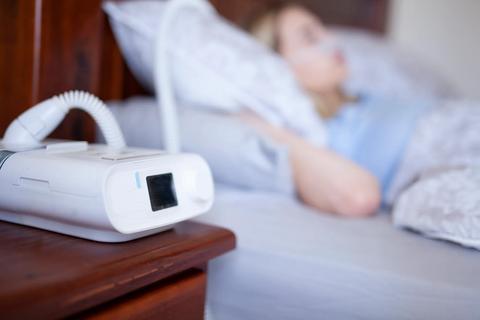
The right mask fit, pressure settings and machine adjustments can help make this treatment more comfortable
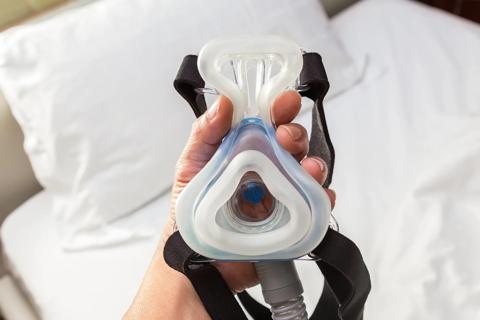
CPAPs aren’t counted as carry-ons and they’re easy to pack and transport

Silent sleep apnea can still disrupt your sleep and affect your long-term health

Obstructive sleep apnea can lead to high blood pressure — and vice versa

Sleep apnea is associated with sudden cardiac death and other complications that increase your risk of mortality
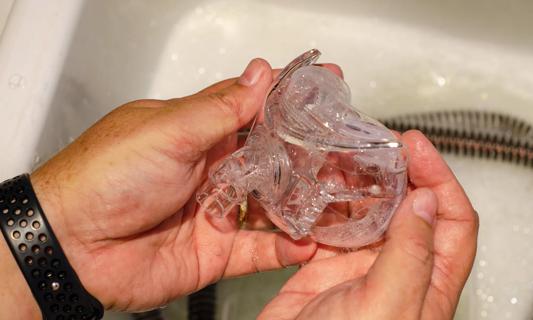
A clean CPAP machine can help you sleep and breathe better

It’s OK if congestion forces you to take a break from using this breathing device
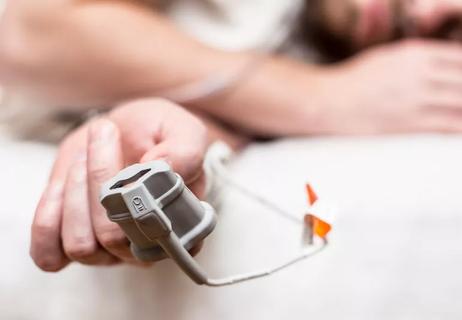
Here’s what to know from a sleep medicine specialist
Eyes typically increase to full size during two growth spurts in childhood

To start, opt for calorie-dense foods that are rich in protein and healthy fats

Pre-birth injections and monoclonal antibodies can help prevent serious complications
 Search










