Locations:
Search IconSearch
February 25, 2025/Living Healthy/Sleep

Snoring? Try These 12 Remedies So You Can Sleep Peacefully

Using nasal strips and propping your head up in bed are just two ways that may help you stop snoring
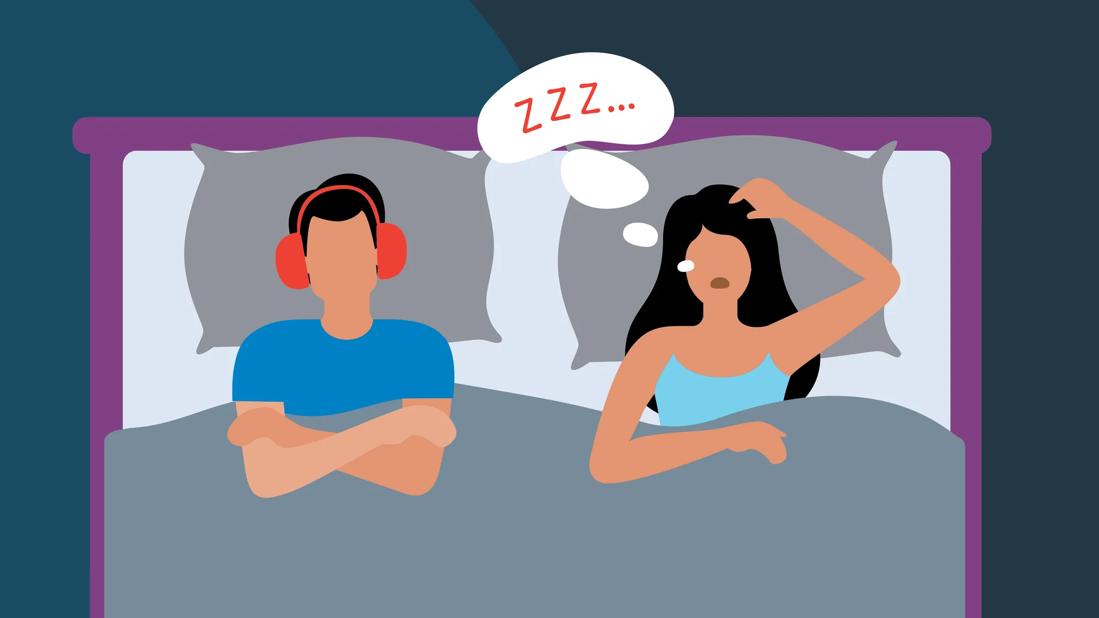
Couple in bed with one partner snoring and the other in noise-reducing headphones

Snoring can be irritating to loved ones trying to catch some ZZZs. Although it’s more common in men who have overweight or obesity, children often get caught up in snoring, too. But it can happen for a variety of reasons and is often linked to other underlying conditions, like:

Advertisement

Cleveland Clinic is a non-profit academic medical center. Advertising on our site helps support our mission. We do not endorse non-Cleveland Clinic products or services. Policy

  • Obesity
  • Structural problems in your nose, like a deviated septum
  • Enlarged tonsils or adenoids
  • Chronic congestion and stuffiness

But what makes snoring increasingly worrisome is that it can also be a sign of obstructive sleep apnea. This serious condition disrupts your ability to breathe for seconds at a time over and over again while you sleep.

“Snoring and apnea often go hand in hand,” says otolaryngologist (ear, nose and throat physician) Tony Reisman, MD.

If you have sleep apnea, you likely still feel tired when you wake up because the disruption to your breathing actually keeps your brain and body awake throughout the night. And if left untreated, sleep apnea can lead to other health issues, including:

  • High blood pressure
  • Diabetes
  • Stroke
  • Heart problems, including heart failure and heart attacks

Overall, you’ll want to find out how to stop snoring before it causes any lasting damage. Dr. Reisman explains why it’s important to root out the cause of your snoring — and why you don’t want to sleep on getting the help you need.

Can snoring be cured?

Yes, snoring can be treated. But the effectiveness of treatments depends on the direct cause of your snoring. For some, it may happen because of the way you’re anatomically built. For others, it could be caused by how you’re positioned when you sleep or something more serious like sleep apnea.

Advertisement

To get to the bottom of your nighttime noisemaking, talk to a healthcare provider, like an otolaryngologist (ENT) or a primary care provider. They can look for underlying causes like chronic congestion or nasal obstruction.

Your healthcare provider may also recommend a sleep study to get the full picture on your snoring habits. During a sleep study, you can spend the night in a sleep lab so providers can monitor the number of times you wake up during sleep. Or you can do a sleep study at home with special equipment that monitors your sleep activity from the comfort of your own bed.

“It’s important to get a comprehensive workup to find out what’s causing your snoring,” Dr. Reisman says. “If we find out you have apnea, we can make sure you get the treatment you need to take care of your long-term health.”

Ways to stop snoring

Once you know the cause of your snoring, you’ll find several at-home lifestyle changes and medical treatments that can get you to stop snoring immediately and over time. These treatments include:

  • Change your sleeping position. Try propping up the head of your bed or sleeping on your side instead of your back. Doing so can help keep your airways open and keep your tongue from blocking the back of your throat so you don’t snore.
  • Maintain a healthy weight. During sleep, fatty tissue in your neck can press on your throat, blocking your airways when your throat muscles relax. Losing weight by improving your nutrition, exercising regularly and working with a weight management specialist can literally take the pressure off and limit your snoring.
  • Use nasal strips or dilators. If you wear adhesive nasal strips on the bridge of your nose, you can lift your nostrils open to improve airflow. Another option is nasal dilators, which you insert into your nostrils to expand the nasal opening and stop snoring. Both strips and dilators are inexpensive and easy to find at the drugstore.
  • Reduce or eliminate alcohol. Alcohol may cause your airway muscles to relax, so avoid it for several hours before bedtime. In general, alcohol can disrupt your sleep in other ways, too, so you may want to avoid it altogether if you’re looking to improve your overall sleep quality.
  • Avoid sedatives. Too much melatonin or other sleep medications may be having the opposite effect. If your nasal passages and throat muscles are too relaxed, you could end up snoring more often. If you’re finding that you take these on a regular basis and your sleep isn’t improving without them, talk to a healthcare provider because there may be something else, like insomnia, that’s keeping you from restful sleep.
  • Stop smoking. Quitting smoking is one of the best things you can do for your health. In addition to a decrease in your blood pressure and an increase in your energy levels, it can help stop your snoring. How? It improves your nasal congestion, which has a ripple effect on your snoring.
  • Relieve stuffiness. In people with chronic nasal congestion, medications like antihistamines or steroid nasal sprays can help you breathe easy and stop snoring, alongside other lifestyle changes and treatments.
  • Treat your allergies. If you’re dealing with allergies, you’re more likely to sleep with an open mouth and, in turn, snore more often. An allergist or primary care provider can help you find the right over-the-counter or prescription medications that might help you improve your ability to breathe, while also reducing the likelihood of snoring.
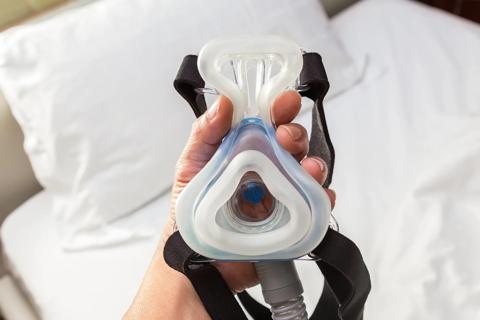
  • Use a CPAP machine. If you have sleep apnea, your healthcare provider may suggest you use a continuous positive airway pressure (CPAP) machine to stop your snoring and improve your ability to breathe during sleep. You wear a mask over your nose or mouth so pressurized air keeps your airways open while you sleep. “It can take a little time to get used to it, but it solves the snoring and sleep apnea problem immediately,” notes Dr. Reisman.
  • Consider hypoglossal nerve stimulation. This surgical implant (Inspire®) is an alternative treatment for anyone who has difficulty with the CPAP approach. “The concept here is that the hypoglossal nerve, which controls the muscles of the tongue, is stimulated while sleeping to protrude the tongue, causing less airway obstruction and decreasing or suppressing the apnea,” he explains.
  • Try an oral appliance. These mouthguard-style devices hold your lower jaw forward while you sleep. This posture helps keep your airways open and stops you from snoring. People sometimes turn to oral appliances in preference over CPAP machines, but Dr. Reisman suggests working with a dentist or oral surgeon to get yours customized for your mouth. “A badly fitting appliance can strain the jaw and trade one problem for another,” he warns.
  • Consider surgery. Surgery can be used to correct all kinds of structural issues, like a deviated septum, and shrink or remove the soft tissues in your throat and nasal passages. If your tonsils or adenoids are disrupting your ability to breathe because they’re enlarged, for example, they can be removed.

When to see a doctor

Snoring, although common, can be a sign of other medical issues, especially if you’re feeling tired throughout the day or find yourself lacking energy. If you’re snoring and at-home remedies aren’t helping, it may be time to get checked out.

Advertisement

Cleveland Clinic icon
Health Essentials logo
Subscription icon

Better health starts here

Sign up for our Health Essentials emails for expert guidance on nutrition, fitness, sleep, skin care and more.

Learn more about our editorial process.

Related Articles

An illustration of a person sleeping with a cat sitting on the bed
April 28, 2022/Sleep

Why Do I Snore?

Here’s why your sleep might be noisy or disruptive
woman covering ears while husband snores in bed
November 5, 2020/Sleep

Is Your Spouse a Heroic Snorer? 3 Tips to Quieter Sleep

Heroic snoring can be associated with obstructive sleep apnea
A person’s legs shifting back and forth in bed
July 21, 2026/Sleep

What Can You Do for Immediate Relief From Restless Legs Syndrome?

At-home remedies may help calm symptoms and make it easier to relax at bedtime

Person leaning on elbows with eyes closed at their laptop
July 16, 2026/Sleep

What You Should Know About Microsleep

These brief episodes of sleep last only seconds, but they can have serious consequences when they happen at the wrong time

Caregiver reading a bedtime story with young child
July 15, 2026/Children’s Health

How To Get Your Kid on a Better Bedtime Routine

A consistent bedtime routine can help your child get the sleep they need to learn, grow and thrive

Happy person waking up in the morning, stretching in bed
July 10, 2026/Sleep

Sleep Chronotypes: What They Are and How To Figure Yours Out

Your chronotype reflects when your body naturally wants to sleep and wake — and why your energy peaks when it does

Person checking their health stats on their smartwatch, with checked off health goals, biohacking
June 17, 2026/Wellness

What To Know About Biohacking and How To Try It Safely

Practices range from simple lifestyle changes to extreme experiments — and not all approaches come with the same level of risk

Feet with socks on sticking out of blanket on a bed
June 16, 2026/Sleep

Can Wearing Socks to Bed Help You Sleep Better?

Putting on socks at night can help regulate your core body temperature to bring on ZZZs

Trending Topics

Hand holding mason jar of kefir

Is Kefir Good for You?

This superfood is loaded with vitamins, minerals and nutrients

Teenage boy lying on sofa, looking through smartphone

Looksmaxxing: What It Is and Why It Can Be Harmful

This online subculture may contribute to self-esteem issues in teenage boys

Person with hand on their head, leaning against wall, with the room spinning

Why Loose Ear Crystals Make You Dizzy and How To Fix Them

When these tiny particles of calcium carbonate come loose, it throws your sense of balance out of whack

Ad