Locations:





 Search
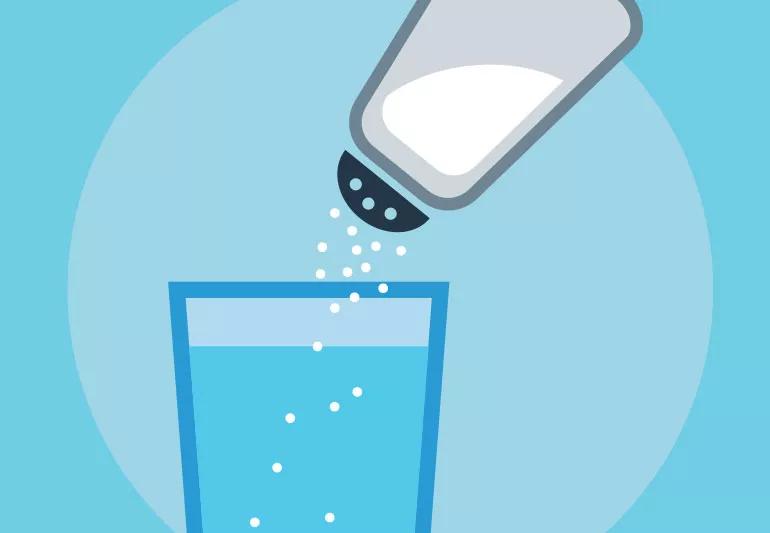
Ice, saline rinses, OTC pain meds and honey can all help soothe a troubled taster
When you’re too distracted to notice steam still rising from your plate (or too hungry to care), a burnt tongue is most likely in your future. But what do you do when that soup, latte or extra-hot fudge goes down way hotter than expected?
Advertisement
Cleveland Clinic is a non-profit academic medical center. Advertising on our site helps support our mission. We do not endorse non-Cleveland Clinic products or services. Policy
“Minor tongue burns usually don’t require treatment,” says family medicine doctor Matthew Goldman, MD. But that doesn’t mean they don’t hurt! Dr. Goldman shares seven easy ways to soothe a burnt tongue.
The thing that makes your first bite oh-so-delicious is also what makes your mouth sensitive to extreme temperatures. The delicate tissues inside allow you to taste a variety of flavors — but they’re easy to injure, too.
You’re probably already familiar with the concept of first-, second- and third-degree burns. It’s the way healthcare providers describe the severity of tissue damage, with third-degree burns being the most serious. We use the same categories to classify tongue burns.
Advertisement
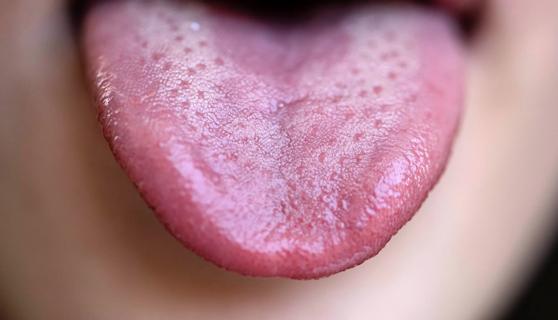
Your taste buds are located in-between the bumps (papillae) that cover your tongue. When burnt, those papillae sometimes disappear, making your tongue look unusually smooth. Your sense of taste may also temporarily diminish (or disappear altogether) following a bad burn.
The severity of the injury determines whether you need medical attention. If you believe you’ve sustained a second- or third-degree burn, you need to contact your healthcare provider. Burns of that nature are too serious to treat on your own and may cause complications.
Not sure how serious your tongue burn is? When in doubt, ask your healthcare provider. It’s better to be safe than sorry.
Luckily, the majority of tongue burns are first-degree — meaning you can treat them yourself at home.
Here are seven tips that can help you minimize the pain and speed healing from a first-degree tongue burn.
Also keep in mind that — while recovering from a tongue burn — you should avoid irritating the damaged tissue. That means steering clear of hot foods and beverages, putting your tongue scraper away and skipping any spicy or acidic foods.
How long it take your tongue to heal from a burn depends on the severity of the damage and whether or not you experience any complications.
But there’s good news: Our tongues are super resilient and usually heal quickly! Severe burns can take longer to heal, but in most cases, you should be shipshape again within one or two weeks. Taste buds regenerate approximately every two weeks, so you should be enjoying food again pretty quickly too.
What if your tongue doesn’t seem to be healing? Then it’s time to call a healthcare provider. It’s also important to act fast if you’re notice any of these signs of an infection:
There’s no quick fix for a tongue burn. Tragic as it is, that first sizzling bite of pizza will probably ruin the rest of the slice for you. It could ruin the leftovers, too. Honestly, a bad tongue burn may ruin your meals for a while.
Advertisement
But rest assured, most tongue injuries will heal on their own. Just be sure to maintain good oral hygiene; avoid any spicy, acidic or irritating foods and drinks; and soothe your tongue with cold food and drink. Take over-the-counter pain medicine if you need it, and don’t hesitate to call a healthcare provider if your symptoms aren’t improving or they’re getting worse.
And hey, next time, remember to blow on it first!
Advertisement
Sign up for our Health Essentials emails for expert guidance on nutrition, fitness, sleep, skin care and more.
Learn more about our editorial process.
Advertisement

Mewing is a tongue exercise that some believe can straighten teeth and sharpen jawlines (Spoiler alert: It can’t)

For fresher breath in the a.m., practice good oral hygiene, including flossing your teeth and scraping your tongue

Daily oral hygiene goes a long way to keeping your mouth healthy and your smile bright

Most kids start losing baby teeth around age 6 — but there’s some wiggle room in the timeline
Spoiler alert: Taste buds change more often than you might think
Follow the 4Cs — cooling, cleaning, covering and comforting — to start the healing process

These common mouth sores are very different — cold sores are caused by a virus and are contagious, but canker sores aren’t

This medicated liquid is available by prescription only and is specially formulated for your specific needs

Even small moments of time outdoors can help reduce stress, boost mood and restore a sense of calm

A correct prescription helps your eyes see clearly — but as natural changes occur, you may need stronger or different eyeglasses

Both are medical emergencies, but they are very distinct events with different causes











