Locations:





 Search
Pump up your iron intake with foods like tuna, tofu and turkey
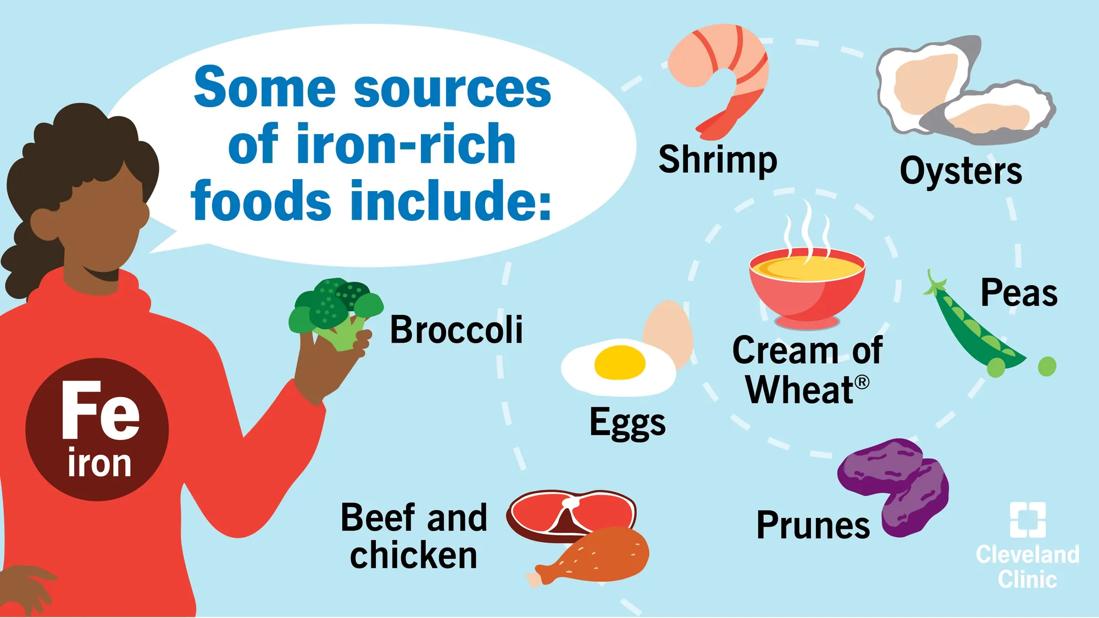
Image content: This image is available to view online.
View image online (https://assets.clevelandclinic.org/transform/94095f96-0076-4d2c-a5f1-0acdcb1dcc3b/iron-rich-foods-1716179801)
Infographic of foods high in iron, including shrimp, oysters, peas, cream of wheat, prunes, eggs, broccoli, beef and chicken
Are you getting enough iron daily?
Advertisement
Cleveland Clinic is a non-profit academic medical center. Advertising on our site helps support our mission. We do not endorse non-Cleveland Clinic products or services. Policy
The chances are that most of us probably aren’t. Our bodies need iron to grow and develop. Iron can also help prevent anemia and protect our bodies from infection.
If you haven’t been chowing down on iron-rich foods, there are some easy ways to incorporate this nutritional powerhouse into your diet.
Registered dietitian Julia Zumpano, RD, LD, explains which iron-rich foods you should eat and how much iron you need daily.
There are two main types of iron — heme and non-heme iron.
“Iron is a vital component of hemoglobin, which makes it an important mineral that our bodies need in order to carry oxygen so that our cells can produce energy,” explains Zumpano. “If we don’t have enough iron, we will not have enough red blood cells to transport oxygen. This leads to extreme fatigue and lightheadedness.”
Advertisement
Iron is also essential for brain development and growth, and the production of many other cells and hormones in your body.
“Without adequate iron stores, individuals can develop a condition called iron-deficiency anemia — the most common nutritional deficiency worldwide,” she adds. “It’s associated with symptoms like fatigue, weakness, trouble maintaining body heat, pale skin, dizziness, headache, and an inflamed tongue.”
There are plenty of foods high in iron. You’ll find heme iron in the following types of food:
“Aim to include a source of protein with each meal, which can help you meet your daily iron needs,” Zumpano suggests.
Still want some more foods with iron? The following iron-rich foods list includes non-heme iron options.
Iron-rich legumes include:
Iron-rich bread and cereal include:
Iron-rich fruits include:
Iron-rich vegetables include:
Other foods rich in iron include:
“If you choose not to consume meat and fish, then be sure to include plant-based sources of protein such as legumes (dried beans, lentils and split peas), nuts, seeds and tofu with each meal,” advises Zumpano. “Be sure to pair non-heme iron foods with vitamin C to increase the absorption of iron. Vitamin C is found in citrus fruits (lemon, lime, orange, kiwi and grapefruit), strawberries, tomatoes, broccoli and spinach.”
According to Zumpano, the daily recommended amount of iron for adults ages 19 to 50 is:
In general, you also tend to need more iron to make up for what is lost during menstrual cycles. Women 51 and older should aim for 8 mg of iron daily.
For children, the recommended amount of iron can vary based on age:
Advertisement
| Age | Iron Daily Recommended Value |
|---|---|
| Birth–6 months | 0.27 mg |
| 7–12 months | 11 mg |
| 1–3 years | 7 mg |
| 4–8 years | 10 mg |
| 9–13 years | 8 mg |
| 14–18 years | 15 mg for females, 11 mg for males |
| Age | |
| Birth–6 months | |
| Iron Daily Recommended Value | |
| 0.27 mg | |
| 7–12 months | |
| Iron Daily Recommended Value | |
| 11 mg | |
| 1–3 years | |
| Iron Daily Recommended Value | |
| 7 mg | |
| 4–8 years | |
| Iron Daily Recommended Value | |
| 10 mg | |
| 9–13 years | |
| Iron Daily Recommended Value | |
| 8 mg | |
| 14–18 years | |
| Iron Daily Recommended Value | |
| 15 mg for females, 11 mg for males |
While these are general guidelines, Zumpano advises getting a personalized recommendation from a doctor, and a formal diagnosis if you suspect you’re low on iron.
“Your daily iron needs can be obtained through your diet, although if you have low blood iron levels or have difficulty absorbing iron, you may need a supplement,” notes Zumpano. “Talk to your healthcare provider if you feel that you could benefit from supplemental iron.”
Advertisement

Sign up for our Health Essentials emails for expert guidance on nutrition, fitness, sleep, skin care and more.
Learn more about our editorial process.
Advertisement

Experiencing constant fatigue, shortness of breath and chills could all be signs of low iron
The benefits of iron span your whole body, from your blood and your brain to your immune system and more
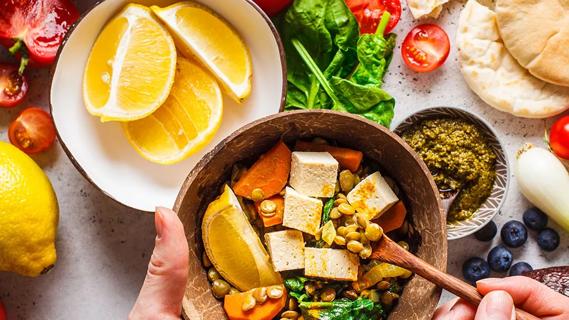
This pairing has long been thought to help your body better absorb iron
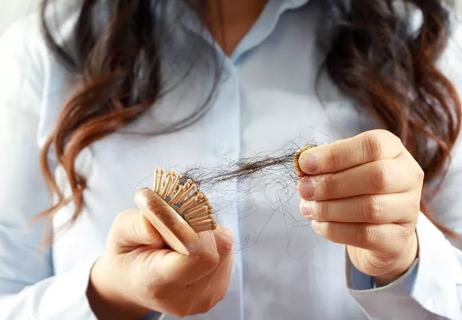
Iron plays a vital role in hair growth and health
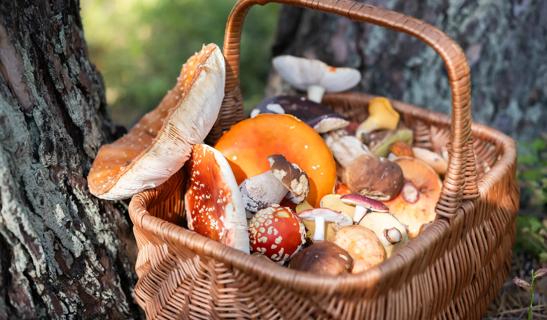
There’s no easy way to tell whether a mushroom is poisonous or safe — and making a wrong choice can be deadly
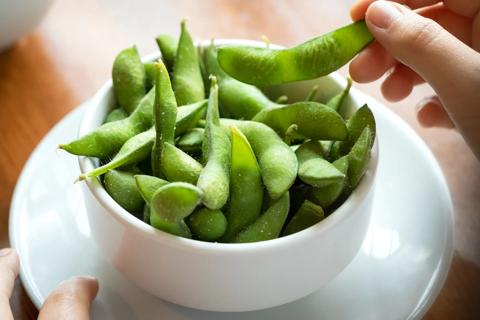
This legume is a good source of plant protein and fiber
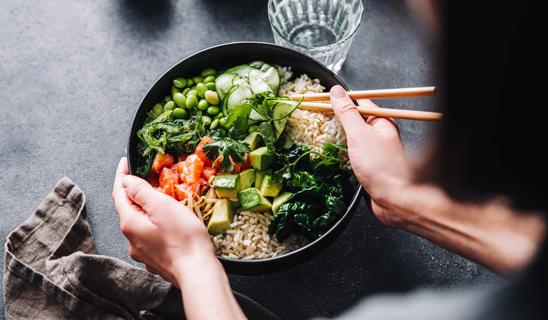
Eating more fiber helps keep your digestive system moving and may lower your risk for colon cancer
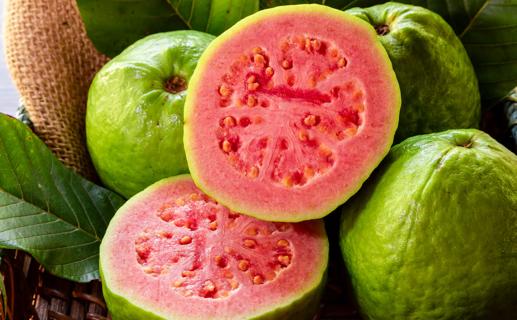
The superfood is high in vitamin C and can help improve your digestion and boost your immune system
While you can’t change risk factors, like age or genetics, lifestyle choices and regular screenings can help lower your overall risk
While it may be no big deal, underlying conditions that need treatment can also cause cold extremities

Improve your speed with interval training, strength training and consistent, healthy habits











