Locations:





Lettuce is a versatile vegetable loaded with antioxidants and good-for-you nutrients
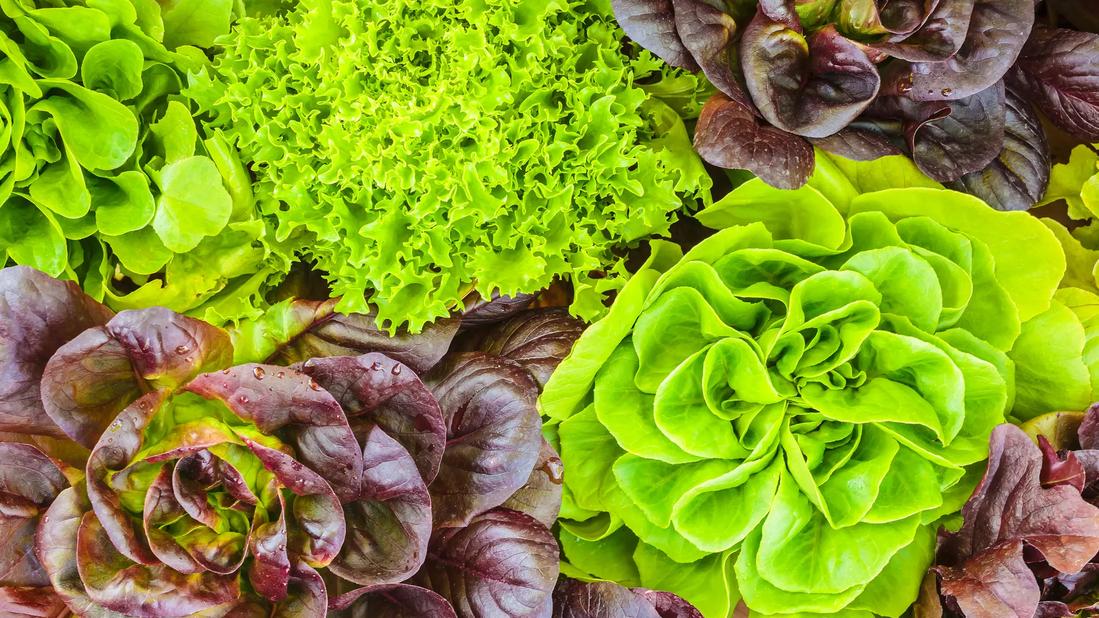
Image content: This image is available to view online.
View image online (https://assets.clevelandclinic.org/transform/464bc45e-424f-478c-8c23-319943dd3d82/lettuce-variety-517519171)
Overhead closeup of various types of lettuce
It’s a side dish, a main meal, a burger topper, a sandwich wrap and so much more. Lettuce doesn’t just add color and crunch to your meals — this green leafy vegetable is also good for you.
Advertisement
Cleveland Clinic is a non-profit academic medical center. Advertising on our site helps support our mission. We do not endorse non-Cleveland Clinic products or services. Policy
Yes, lettuce can be a healthy part of your eating plan. “People often underestimate the nutritional value of lettuce,” says registered dietitian Susan Campbell, RD, LD. “But as a leafy green, it’s just as good for you as kale or spinach.” And because you probably eat lettuce raw, you get most of its nutrients, as raw vegetables keep more nutrients than cooked ones.
Americans typically eat four main types of lettuce. Nutritional values vary depending on which leafy green you choose.
Campbell shares how lettuce can help keep you healthy.
Lettuce has been a healthy part of people’s meals since ancient times. Egyptians from thousands of years ago recognized the health benefits of lettuce and grew it in their gardens. Eating more of this green leafy veggie has several health benefits:
Advertisement
One cup of shredded lettuce leaves (any type) has approximately:
Nutrient-wise, a cup of lettuce (any type) has up to:
But it’s also important to know that not all lettuce is created equal. For instance, red and green leaf lettuce outshine iceberg lettuce in terms of nutrition, says Campbell. They can have six to 20 times more vitamin A, vitamin K and lutein. In general, “The darker colors of the lettuce make it more of a rock star,” Campbell adds.
Lettuce is chock-full of antioxidants. These food chemicals protect you against free radicals, which cause inflammation and may contribute to eye diseases, diabetes and other chronic conditions.
Lettuce is especially high in:
Research shows that eating a small side salad before your main course can help you feel fuller. As a result, you eat fewer calories during your meal. Findings suggest that starting your meal with a salad can lead to weight loss or help you maintain a healthy weight.
Most lettuce varieties are excellent sources of vitamin K. “Your body needs vitamin K to build strong bones and clot your blood,” says Campbell.
Vitamin K, along with lutein and folate (vitamin B9), may also help prevent memory loss. A 2018 study found that a daily serving of green leafy vegetables improved memory in people as they aged.
As much as 95% of lettuce’s weight comes from water. So, when you eat lettuce, you’re also quenching your thirst. And the high water content fills you up faster, helping curb hunger and prevent overeating.
Lettuce is a versatile vegetable that’s affordable and easy to add to dishes. “Lettuce is a great fat-free, low-calorie way to get more leafy greens into your meals,” notes Campbell.
Advertisement
You can make lettuce a regular part of your breakfast, lunch or dinner by trying these recipes:
Advertisement

Sign up for our Health Essentials emails for expert guidance on nutrition, fitness, sleep, skin care and more.
Learn more about our editorial process.
Advertisement
From sauerkraut to kimchi, these foods can help keep your gut healthy
This East Asian and subtropical fruit is packed with delicious nutrition
Lean meats, fish, dairy and plant proteins can help you meet your protein needs without piling on saturated fat and sugar
Choosing snacks with protein can help curb hunger, support muscle health and keep your energy steady between meals
Fish packs plenty of protein, heart-healthy fats and other body-boosting nutrients into every bite

Both are healthy choices, but wild-caught salmon offers a few more benefits
These bright berries are packed with nutrients and antioxidants that may support your eyes, immune system and overall well-being

The general rule is 1.2 to 1.6 grams of protein per kilogram of body weight — but that may not be exactly right for you

Hormonal changes, a slower metabolism and muscle loss can make weight gain more common around menopause — healthy habits can help you manage it

Life-threatening complications include sepsis, stroke, pneumonia and more
Fruity-smelling breath can happen when your body burns fat for energy, and in some cases, can signal a medical emergency
 Search










