Locations:





Eating more legumes, fruits, vegetables, nuts and whole grains can help you meet your daily fiber goals
Fiber may not be the flashiest part of your daily diet, but it does a lot of behind-the-scenes work to keep your body healthy and running smoothly. Think of it as the quiet overachiever of nutrition.
Advertisement
Cleveland Clinic is a non-profit academic medical center. Advertising on our site helps support our mission. We do not endorse non-Cleveland Clinic products or services. Policy
So, what can you eat to make sure you get enough of this all-important nutrient? We asked registered dietitian Anna Taylor, RD, LD, for advice on how to fill our plates.
Dietary fiber is a complex carbohydrate found in plant-based foods like legumes, fruits, vegetables, whole grains, nuts and seeds. Taylor recommends aiming to eat between 25 grams (g) and 38g of fiber per day.
Here are 20+ high-fiber foods — most of which are rich in insoluble fiber and soluble fiber — that can help you reach that goal.
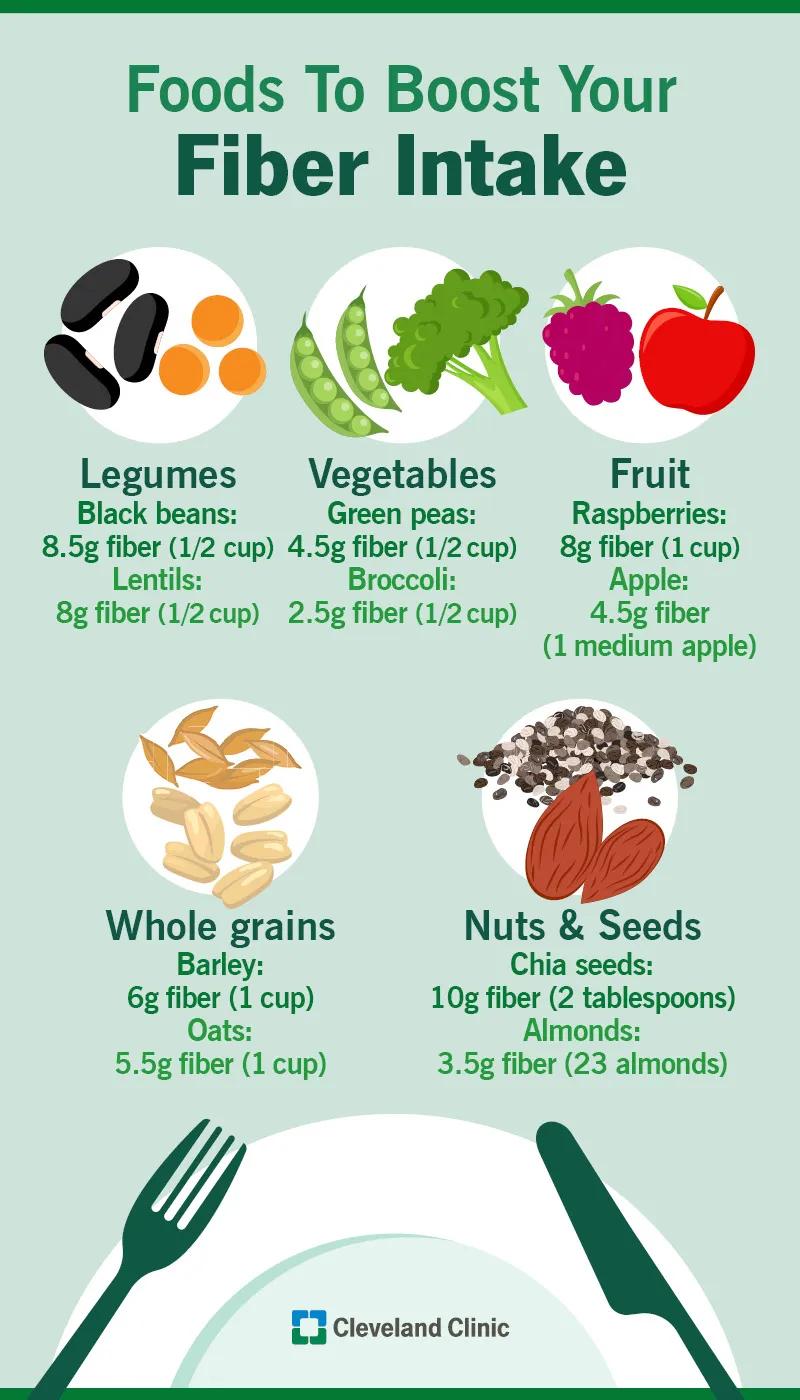
Image content: This image is available to view online.
View image online (https://assets.clevelandclinic.org/transform/29efb2d3-b00a-4c4e-b165-c6da56f6a9ca/high-fiber-foods-infographic)
Legumes are high in fiber because they’re seeds, which have tough outer layers and internal structures. A significant part of that structure includes fiber to help protect the seed and store nutrients.
Here are a few fiber all-stars on the legume roster.
Fiber content: 8.5g of fiber in a 1/2 cup of canned (no salt added) black beans
Beans, in general, are very high in fiber — and black beans are near the top of the list. (Fun fact: Black beans are so dark because they contain gut-friendly anthocyanins, the same natural pigments that give blueberries their deep blue-purple color.)
Fiber content: 8g of fiber in a 1/2 cup of boiled lentils
Lentils come in various colors, each with its own distinct flavor profile. But no matter the hue, they’re all higher in fiber content. “Lentils are nutrition powerhouses,” emphasizes Taylor.
Advertisement
Fiber content: 8g of fiber in a 1/2 cup of boiled split peas
Split peas are made by drying regular green peas, removing the outer skin and then splitting the seed in half. They have more fiber than fresh green peas because the fiber is more concentrated. (More on green peas later!)
Fiber content: 7.5g of fiber in a 1/2 cup of boiled pinto beans
Just like other beans, pinto beans get a lot of their fiber from the seed coat and sturdy internal cell walls. That’s why they remain a strong fiber source even after being cooked.
Fiber content: 6.5g of fiber in a 1/2 cup of cooked kidney beans
Surprise, surprise — another bean! Worried about getting gassy with all of these beans? Note this: Eating beans regularly can reduce the toots! This is in part due to the beneficial changes in gut microbiota with high-fiber diets that, over time, bring less gas production.
“After three to four weeks of regular intake, the gut adapts and perceived flatulence levels return to baseline,” explains Taylor. To avoid a noticeable increase in gas as you introduce fiber-rich foods into your diet, start with smaller portions of these foods and gradually increase.
Fiber content: 6.5g of fiber in a 1/2 cup of cooked chickpeas
Want to add a little crunch to your salad? Roasted chickpeas can deliver the sensation in addition to a good amount of fiber! They’re also great for snacking, says Taylor.
Fiber content: 4g of fiber in a 1/2 cup of cooked edamame
Edamame is an immature soybean, but it has a fiber content ideal for mature diners. “They’re also one of the few plant sources that contain all the amino acids your body needs,” Taylor notes.
Fiber is part of the natural plant cell walls and structure of many vegetables — these in particular. (And while some of the foods listed here aren’t technically vegetables on the botanical front, they’re used as veggies for culinary purposes.)
Fiber content: 4.5g of fiber in a 1/2 cup of boiled green peas
Don’t be fooled by the small size of green peas. They pack a lot of fiber into those little orbs. That’s because peas — which are the seeds of a legume — naturally have sturdy cell walls made of complex carbohydrates.
Fiber content: 4g of fiber in 1 cup of cooked Brussels sprouts
Brussels sprouts routinely rank as one of the world’s most disliked vegetables — but with their fiber content, you might want to show them some love. “Nutritionally,” says Taylor, “Brussels sprouts are awesome.”
Advertisement
Fun fact, too! Today’s Brussels sprouts are much less bitter than older varieties due to decades of selective breeding to adjust the glucosinolate content, as these are responsible for bitterness. So, if you haven’t tried them in a while, give them another shot!
Fiber content: 3.5g of fiber in a 1/2 cup of cooked artichoke hearts
The layered structure of artichokes makes them a particularly good source of fiber. “There’s a lot to love when it comes to fiber and the tender hearts within artichokes,” says Taylor.
Fiber content: 2.5g of fiber in a 1/2 cup of cooked chopped broccoli
This cruciferous vegetable is loaded with fiber up and down. The stalk is just as fiber-rich and useful as the florets, so make sure you’re eating that whole broccoli!
Fruit often contains a decent bit of fiber, but the amounts vary widely in the produce aisle, says Taylor. In general, fruit where you eat the skin tends to offer a bit more fiber, as peels, skins and seeds are where most of the insoluble fiber is stashed.
Higher-fiber options include:
Fiber content: 8g of fiber in 1 cup of raspberries
Raspberries pack a lot of fiber into a relatively small serving, with much of it coming from their tiny edible seeds and fruit structure. The red berries are also full of antioxidants that can decrease oxidative stress to help keep you healthy.
Advertisement
Fiber content: 7.5g of fiber in 1 cup of blackberries
If raspberries aren’t to your taste, blackberries offer nearly the same amount of fiber for the same reasons. (They’re basically closely related cousins in the “bramble” category of berry crops.)
Fiber content: 5.5g of fiber in 1 medium pear
Pears contain fiber in both the flesh and skin, so eating them unpeeled offers an extra fiber boost. That’s why eating a whole pear will give you more fiber than digging into skinned pears (like what you often find in cans).
Fiber content: 4.5g of fiber in 1 medium apple
You know what they say about an apple a day? Well, it’s kind of true given the health profile of this fan-favorite fruit. Apples are a good source of pectin, a type of soluble fiber linked to lower cholesterol.
Whole grains are a good source of fiber because fiber is concentrated in the bran, the grain’s outer layer. Whole grains and whole-grain products keep the bran intact. The same can’t be said of refined grains (like white bread), which have the bran removed.
Here’s where you can find healthy doses of whole-grain fiber.
Fiber content: 6g of fiber in 1 cup of cooked barley
Barley is a delicious grain that’s often overlooked in the kitchen, says Taylor. Regarding fiber, it’s especially known for beta-glucan — a type of soluble fiber that can help support heart health and steady blood sugar.
Advertisement
Pro tip: Be sure to choose either hulled or dehulled barley (which are whole grains) and not pearl barley (which is a refined grain).
Fiber content: 5.5g of fiber in 1 cup of cooked oats
Oats pack a lot of healthy fiber in those little flakes. One note of caution: Be picky when it comes to instant oatmeal, which is often loaded with sugar.
Fiber content: 5g of fiber in 1 cup of cooked quinoa
Quinoa is technically a seed from a plant, but it’s cooked and eaten as a grain. It’s often referred to as a “superfood” given its high levels of fiber, as well as protein and minerals such as iron. Quinoa is an example of a “complete protein,” which is rare in the plant kingdom.
Nuts and seeds tend to be harder, right? Well, the tough outer structures are fiber in the form of indigestible carbohydrates. Here’s where you can get a healthy dose of it.
Fiber content: 10g of fiber in 2 tablespoons of chia seeds
A spoonful of chia seeds can go a long way toward helping you hit your fiber goals. “They’re incredibly rich in fiber — and it’s very easy to sprinkle in chia seeds on so many things you eat, including oatmeal and salads,” says Taylor.
Fiber content: 3.5g of fiber in 23 almonds
A handful of almonds can deliver a healthy percentage of your body’s daily fiber needs. Like with any nut or seed, stick to the serving size, as the calories can quickly add up, Taylor cautions.
Fiber content: 3g of fiber in 1 tablespoon
Flaxseed is a tiny superfood with huge health benefits, starting with fiber. “They’re also full of protein and phytonutrients,” says Taylor.
Botanically, avocados are fruit. But nutritionally, they’re viewed as a healthy fat. Given that, they get their own category.
Fiber content: 3.35g of fiber in one serving (about 1/3 of a medium avocado)
The dense, creamy flesh of an avocado naturally contains a lot of fiber. Unlike many fruits that are higher in water and sugar, avocados have a more substantial plant structure that helps make their fiber content especially high.
While fiber is well known as being extremely good for your gut and digestive health, it does far more than that for your body, emphasizes Taylor. Eating enough fiber can also:
Unfortunately, research shows that most people don’t get enough fiber in their diets. It was even labeled a “public health concern” in the U.S. Department of Agriculture’s 2020-2025 Dietary Guidelines for Americans.
“But you certainly can get enough fiber from the foods you eat,” reinforces Taylor. “It all comes down to what’s on your plate.”
Adding fiber to your diet is great, but you’ll want to do it slowly. “If your body isn’t used to it, suddenly eating more fiber can sometimes cause bloating and cramping,” Taylor warns.
Be sure to drink enough, too. That’s because when you eat more fiber, your body needs more fluid to help move it through your digestive system. Running dry could lead to issues with constipation.
To avoid issues, Taylor recommends gradually increasing your consumption of high-fiber foods and hydration over the course of a few weeks.
“Give your body time to adjust,” she advises. “In the end, that fiber will make your gut happy.”

Sign up for our Health Essentials emails for expert guidance on nutrition, fitness, sleep, skin care and more.
Learn more about our editorial process.
Advertisement
This East Asian and subtropical fruit is packed with delicious nutrition

This caffeinated South American tea contains antioxidants and other nutrients that may offer some health benefits
Lean meats, fish, dairy and plant proteins can help you meet your protein needs without piling on saturated fat and sugar
Choosing snacks with protein can help curb hunger, support muscle health and keep your energy steady between meals
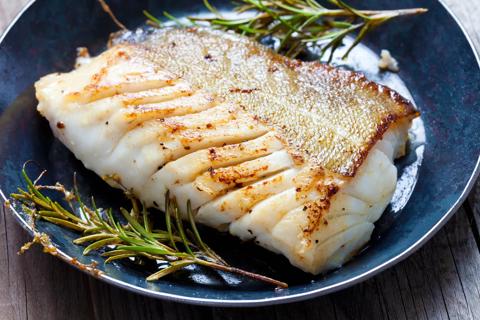
Fish packs plenty of protein, heart-healthy fats and other body-boosting nutrients into every bite
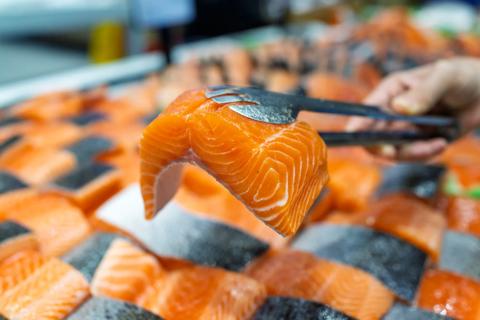
Both are healthy choices, but wild-caught salmon offers a few more benefits
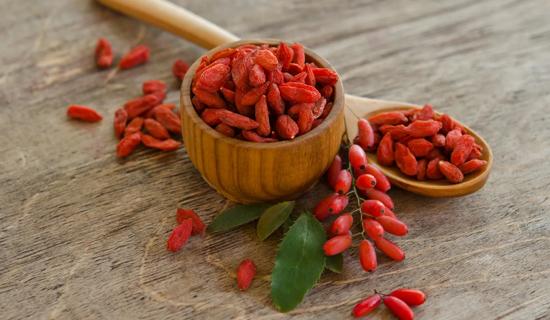
These bright berries are packed with nutrients and antioxidants that may support your eyes, immune system and overall well-being
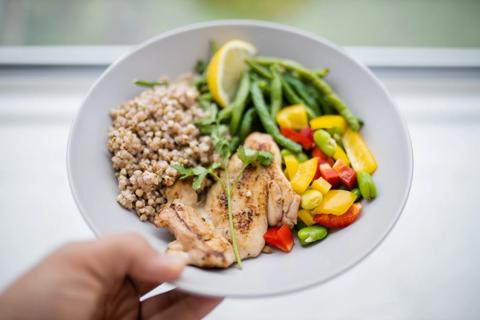
Prepping ingredients ahead of time, rethinking your snacks and making smart protein swaps can up your daily intake

Hormonal changes, a slower metabolism and muscle loss can make weight gain more common around menopause — healthy habits can help you manage it

Life-threatening complications include sepsis, stroke, pneumonia and more
Fruity-smelling breath can happen when your body burns fat for energy, and in some cases, can signal a medical emergency
 Search










